Disclaimer: This article is for informational purposes only and does not replace professional medical advice. Always consult a healthcare provider or registered dietitian for personalized dietary guidance.
Snacking is part of everyday life for most Americans. Whether it’s a quick bite between meetings in New York, a school snack packed for kids in Ohio, or something crunchy to enjoy during a road trip across California, snacks help keep energy levels steady throughout the day. In recent years, gluten-free crackers have become increasingly popular—not just among people with gluten intolerance, but also among those looking for cleaner, lighter snack options.
Gluten-free crackers are no longer bland or boring. Today’s options are flavorful, versatile, and made with thoughtfully chosen ingredients. For many Americans, they offer a convenient way to snack smarter without sacrificing taste or satisfaction.
Table of Contents
What Are Gluten-Free Crackers?
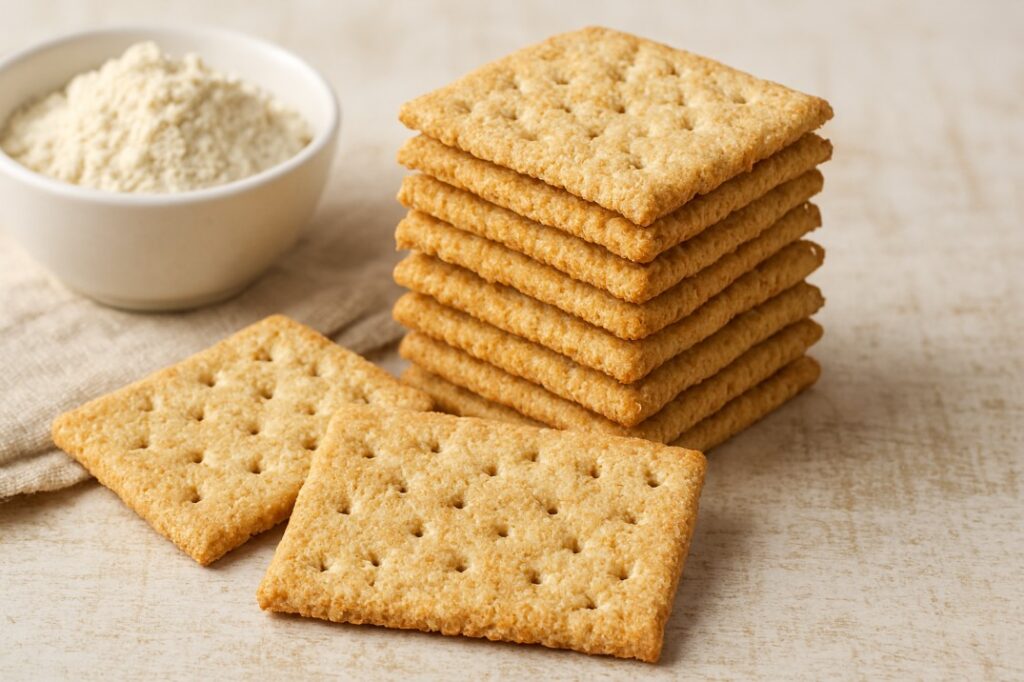
Gluten-free crackers are crackers made without wheat, barley, rye, or any other gluten-containing grains. Instead, they often use alternative flours such as rice, corn, almond, chickpea, quinoa, or seed-based blends.
Unlike traditional crackers that rely heavily on refined wheat flour, gluten-free versions often include whole-food ingredients that appeal to people seeking more mindful eating habits. Many are also free from artificial colors and preservatives, making them attractive to health-conscious shoppers across the U.S.
Why More Americans Are Choosing Gluten-Free Snacks
Gluten-free eating is no longer limited to those diagnosed with celiac disease. Across the United States, people are choosing gluten-free products for various reasons:
- Digestive comfort
- Ingredient transparency
- Lifestyle preferences
- Reduced bloating or heaviness
- Desire for variety in grains
In cities like Austin, Seattle, and Denver, gluten-free products are now mainstream grocery items rather than specialty foods. Gluten-free crackers fit seamlessly into this shift toward intentional, ingredient-aware eating.
Digestive Comfort Without Compromise
One of the main reasons people reach for gluten-free crackers is digestion. Traditional crackers made with refined wheat flour can feel heavy or cause discomfort for some individuals—even without a formal gluten sensitivity.
Gluten-free crackers often use simpler grain sources that are easier to digest. This can make them a gentler option for:
- Midday snacking
- Travel days
- Late-night cravings
For Americans with busy schedules, having a snack that doesn’t leave you feeling sluggish can make a noticeable difference.
A Smart Choice for People With Gluten Sensitivity or Celiac Disease
For people with celiac disease, avoiding gluten is essential. Even small amounts can trigger intestinal damage and interfere with nutrient absorption. Gluten-free crackers provide a safe and convenient snack option when clearly labeled and certified.
For those with non-celiac gluten sensitivity, gluten-free crackers may help reduce symptoms such as bloating, fatigue, or stomach discomfort. Choosing certified gluten-free products also helps avoid cross-contamination risks.
Source:
Celiac Disease Foundation – Gluten-Free Diet Basics
Cleaner Ingredients and Better Transparency
Many gluten-free cracker brands focus on short ingredient lists and recognizable foods. Instead of refined wheat flour, you’ll often see:
- Brown rice flour
- Almond flour
- Chickpea flour
- Flaxseeds and chia seeds
- Olive oil or avocado oil
For American consumers reading labels more carefully than ever, this transparency builds trust. It’s easier to know what you’re eating—and why.
Balanced Snacking That Fits Modern Lifestyles
Snacking doesn’t have to mean empty calories. Gluten-free crackers can fit into balanced eating patterns when paired thoughtfully.
They work well with:
- Hummus or bean dips
- Nut butters
- Cheese or dairy-free spreads
- Sliced vegetables
- Lean proteins
Whether you’re working from home in Oregon or packing lunch for a long commute in New Jersey, gluten-free crackers offer flexibility and portion control.
Support for Energy and Focus
Crackers made with alternative grains and seeds often provide steady energy rather than quick spikes. When combined with protein or healthy fats, they can help maintain focus throughout the day.
This is especially helpful for:
- Office workers
- Students
- Parents juggling busy schedules
Instead of sugary snacks that cause crashes, gluten-free crackers can support sustained energy—an important benefit for everyday Americans.
A Better Option for Heart-Conscious Snacking
Some gluten-free crackers are made with healthier fats and less saturated fat than traditional crackers. Options that use olive oil or seed oils can support heart-conscious eating when enjoyed in moderation.
Low-sodium varieties are also widely available, making it easier for people managing blood pressure to snack more thoughtfully.
Source:
American Heart Association – Healthy Snacking
Great for Kids and Families
Gluten-free crackers are increasingly popular among American families—not just for dietary needs, but for convenience and variety. Many brands offer kid-friendly flavors and shapes without relying heavily on artificial ingredients.
For parents packing school lunches or planning snacks for road trips, gluten-free crackers can be a reliable option that appeals to both kids and adults.
Versatility Beyond Snacking
Gluten-free crackers aren’t just for snacking straight from the box. They can be used in creative ways, such as:
- Crushed as a gluten-free breading
- Paired with soups and salads
- Used on cheese boards
- Served as party appetizers
From backyard gatherings in Texas to cozy winter meals in Wisconsin, gluten-free crackers adapt easily to different occasions.
Things to Watch Out For
While gluten-free crackers offer many benefits, not all products are created equal. Some may still be high in sodium or added sugars.
When shopping, look for:
- Certified gluten-free labeling
- Moderate sodium levels
- Minimal added sugars
- Whole-food ingredients
Reading labels helps ensure your snack choice aligns with your health goals.
Who Can Benefit Most from Gluten-Free Crackers?
Gluten-free crackers can be a smart choice for:
- People with celiac disease or gluten sensitivity
- Individuals seeking lighter snack options
- Families wanting ingredient transparency
- Anyone looking to diversify grain intake
They are not a cure-all, but they can be part of a balanced, mindful approach to everyday eating.
Final Thoughts: A Simple Snack That Fits Real Life
Gluten-free crackers have earned their place in American pantries because they meet real needs. They’re convenient, versatile, and available in flavors that appeal to modern tastes. For many people, they offer digestive comfort, cleaner ingredients, and flexibility—all without sacrificing crunch or enjoyment.
Whether you’re navigating a fast-paced city lifestyle or enjoying slower days in a small town, gluten-free crackers can be a smart everyday snack that fits naturally into American life.