Fennel seeds are one of the most versatile and widely used spices in the world, found in cuisines ranging from Indian curries to Mediterranean dishes. They are also a staple in herbal teas, digestive remedies, and even confectionery. Despite their widespread use, many people are unsure about what fennel seeds actually taste like and how their flavor can influence dishes and beverages.
Understanding the taste of fennel seeds is important not just for cooking, but also for appreciating their health benefits, which are linked to digestive comfort, reduced bloating, and overall wellness. The flavor of fennel seeds is unique—they are sweet, aromatic, and mildly licorice-like, which makes them a versatile ingredient for both savory and sweet recipes, as well as teas and home remedies.
In this article, we will explore the flavor profile of fennel seeds, how their taste changes depending on preparation, and practical ways to incorporate them into your meals for both delicious taste and health benefits.
Flavor Profile of Fennel Seeds
Fennel seeds have a mild, sweet, and slightly licorice-like flavor, which is less intense than anise seeds but still noticeable. They have a slightly earthy and refreshing undertone, making them suitable for a variety of dishes.
Key taste characteristics:
- Sweet and aromatic
- Mild licorice flavor
- Slightly earthy
- Refreshing aftertaste
This subtle yet distinctive taste makes fennel seeds a favorite for cooking, teas, and digestive use.
How Fennel Seeds Taste in Different Forms
1. Raw Fennel Seeds
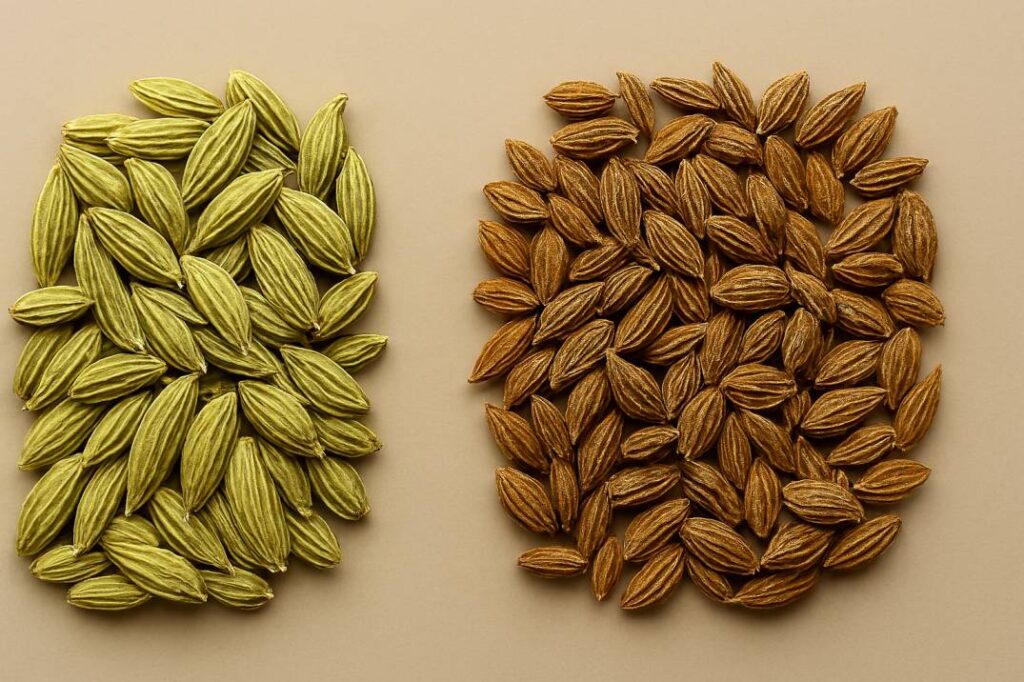
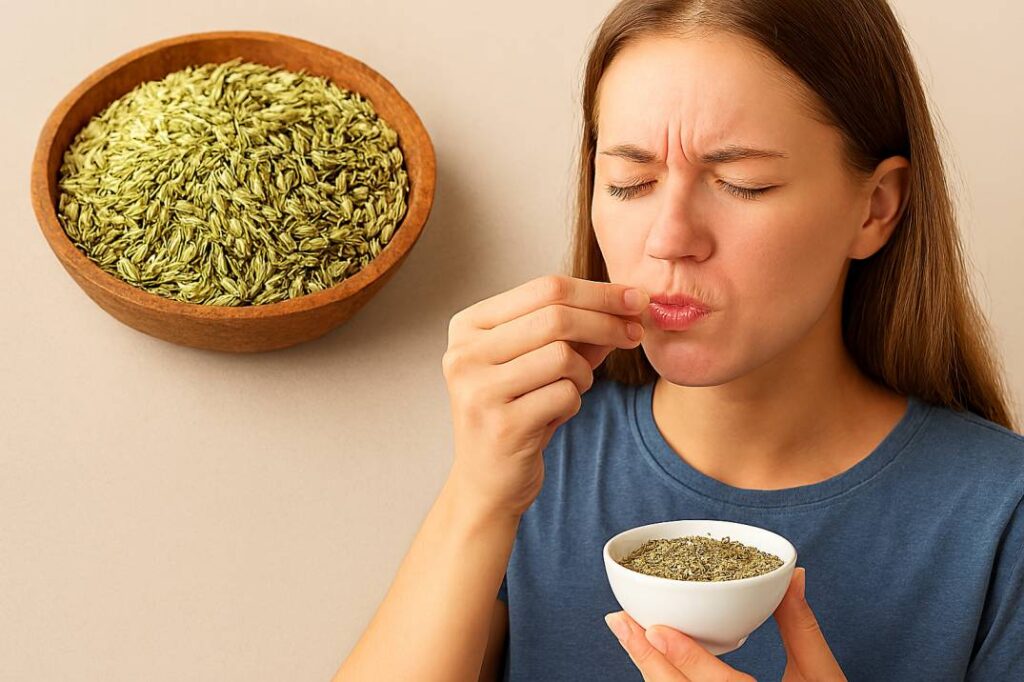
Chewing raw fennel seeds gives a fresh, sweet flavor with a gentle crunch. Commonly used as a mouth freshener, they are often eaten after meals in Indian cuisine.
2. Roasted or Toasted Fennel Seeds
Roasting fennel seeds intensifies their flavor, bringing out a nuttier, warmer taste. Toasted fennel works beautifully in curries, soups, and baked goods.
3. Ground Fennel Seeds
Ground fennel has a more concentrated flavor and blends seamlessly in spice mixes and baked goods without overpowering other ingredients.
4. Fennel Tea
Steeping fennel seeds in hot water produces a mildly sweet and aromatic tea, soothing for digestion and relaxing after meals.
Culinary Uses Based on Taste
Fennel seeds’ sweet, mild flavor allows them to be used in:
- Savory dishes: Curries, stews, roasted vegetables
- Baked goods: Breads, cookies, cakes
- Beverages: Herbal teas, flavored water, or liqueurs
- Digestive support: Chewed after meals or in herbal blends
Their natural sweetness also helps balance spicy or tangy flavors without adding sugar.
Health Benefits Linked to Flavor
Fennel seeds’ pleasant taste is more than enjoyable—it encourages consumption, which can help with digestion, bloating, and fresh breath. The mild licorice-like flavor makes them easy to incorporate into daily routines, whether chewed raw, brewed as tea, or added to food.
Tips for Using Fennel Seeds
- Toast lightly to enhance flavor
- Grind for spice blends and baking
- Steep in hot water for soothing tea
- Combine with herbs like coriander, cumin, or mint to enhance dishes
Final Thoughts
Fennel seeds taste sweet, mildly licorice-like, and refreshing, making them an excellent addition to both culinary and wellness routines. Whether raw, roasted, ground, or brewed as tea, they can enhance meals, drinks, and even digestive health naturally.
FAQ
Q: Do fennel seeds taste like anise?
A: Yes, but they are milder and less intense than anise seeds.
Q: Can fennel seeds be eaten raw?
A: Yes, commonly chewed after meals as a natural mouth freshener.
Q: Are roasted fennel seeds sweeter than raw ones?
A: Roasting brings out a nuttier, richer flavor and slightly intensifies sweetness
Sources