Disclaimer: This content is for informational purposes only and is not intended to replace professional medical, nutritional, or dietary advice. Individual needs and health conditions vary, especially for those with celiac disease, gluten sensitivity, or food allergies.
Peanut butter is a staple in many American homes. From classic PB&J sandwiches to smoothies and snacks, it’s loved for its taste, convenience, and nutrition. But for people following a gluten-free lifestyle, an important question often comes up: Is peanut butter gluten-free?
The short answer is yes—most peanut butter is naturally gluten-free, but there are important details you need to know before adding it to your diet. This guide breaks everything down in simple, clear language so you can enjoy peanut butter with confidence.
Table of Contents
What Is Peanut Butter Made Of?
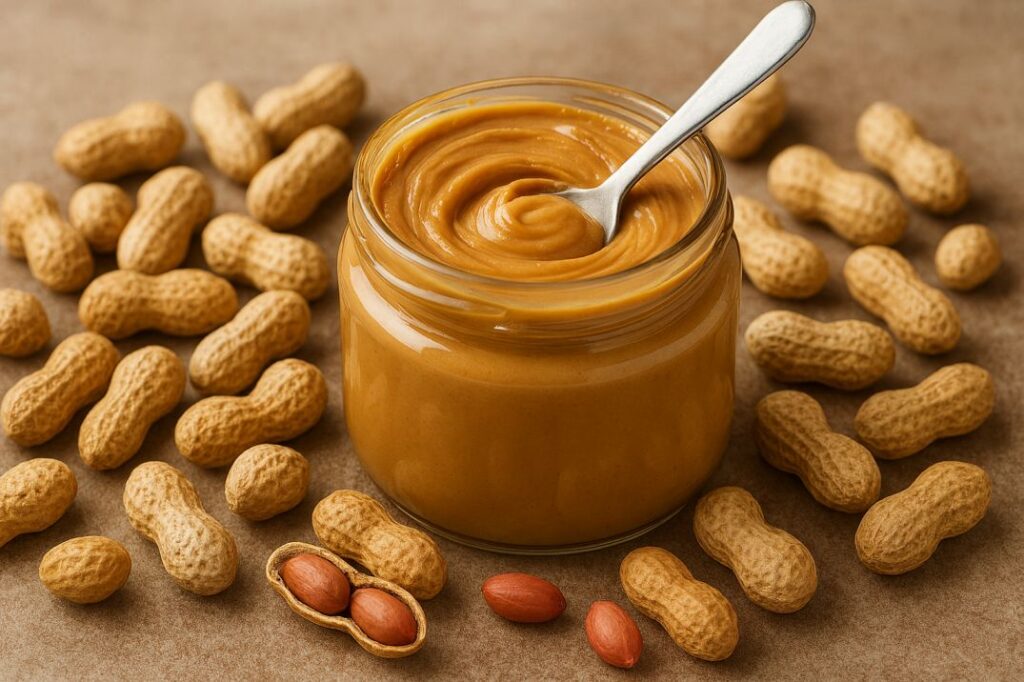
At its core, peanut butter is made from roasted peanuts that are ground into a smooth or crunchy paste. Peanuts themselves are legumes, not grains, and do not contain gluten.
Basic peanut butter ingredients usually include:
- Peanuts
- Salt
- Sometimes oil (like peanut oil or vegetable oil)
In its pure form, peanut butter is completely gluten-free.
When Peanut Butter Might Contain Gluten
Although peanuts are gluten-free, not all peanut butter products are automatically safe for people avoiding gluten. Gluten can sneak in due to:
1. Added Ingredients
Some flavored or specialty peanut butters may include ingredients that contain gluten, such as:
- Cookie pieces
- Pretzels
- Malt flavoring
- Chocolate blends made with gluten-containing additives
Always read the ingredient label carefully.
2. Cross-Contamination
Cross-contamination can happen when peanut butter is processed in facilities that also handle wheat, barley, or rye. This is especially important for people with celiac disease or severe gluten sensitivity.
Look for labels that say:
- “Gluten-Free”
- “Certified Gluten-Free”
These indicate stricter manufacturing standards.
Natural vs. Processed Peanut Butter
Natural Peanut Butter
Natural peanut butter usually contains just peanuts (and sometimes salt). These options are:
- Less processed
- Lower in added sugars
- More likely to be gluten-free
You may notice oil separation, which is normal and a good sign of minimal processing.
Processed Peanut Butter
Conventional brands may add:
- Sugar
- Hydrogenated oils
- Flavor enhancers
While many are still gluten-free, they require closer label checking.
Is Peanut Butter Safe for Celiac Disease?
Yes—if it’s certified gluten-free or clearly labeled gluten-free.
For people with celiac disease:
- Avoid bulk peanut butter machines (like grind-your-own stations)
- Avoid shared knives or surfaces
- Choose brands that test for gluten contamination
Even tiny traces of gluten can cause symptoms, so caution matters.
Health Benefits of Peanut Butter
Beyond being gluten-free, peanut butter offers several health advantages when eaten in moderation.
1. Rich in Healthy Fats
Peanut butter contains monounsaturated and polyunsaturated fats that support heart health.
2. Good Source of Protein
A serving provides plant-based protein that helps keep you full longer.
3. Contains Important Nutrients
Peanut butter naturally includes:
- Vitamin E
- Magnesium
- Niacin
- Antioxidants
These nutrients support energy, brain function, and overall wellness.
Peanut Butter and Gluten-Free Diets
Peanut butter fits well into many gluten-free eating patterns. It pairs nicely with:
- Gluten-free bread
- Apple slices
- Rice cakes
- Smoothies
- Gluten-free crackers
For people exploring healthier gluten-free alternatives, you may also find it helpful to read about almond flour being healthy, especially when baking without wheat.
What About Peanut Butter Alternatives?
If you’re expanding your gluten-free pantry, you may also come across almond-based products. Many people ask whether is almond meal flour gluten free, and the answer is yes—making it another great option for gluten-free baking.
Peanut butter and almond-based products can work together in a balanced gluten-free diet.
How to Choose the Best Gluten-Free Peanut Butter
Here’s a simple checklist:
- Read ingredient labels carefully
- Avoid flavored varieties unless labeled gluten-free
- Look for certified gluten-free packaging
- Choose simple ingredient lists
- Store separately if others in your home eat gluten
Common Myths About Peanut Butter and Gluten
Myth: All peanut butter contains gluten
Truth: Pure peanut butter is naturally gluten-free
Myth: Crunchy peanut butter always has gluten
Truth: The crunch comes from peanuts, not wheat
Myth: Peanut butter is unhealthy
Truth: In moderation, it’s a nutrient-dense food
Final Thoughts: Is Peanut Butter Gluten-Free?
Yes—most peanut butter is gluten-free, especially natural varieties with simple ingredients. The key is reading labels, understanding cross-contamination risks, and choosing trusted brands.
Whether you’re gluten-sensitive, managing celiac disease, or simply eating mindfully, peanut butter can remain a delicious and safe part of your diet.
With the right choices, you can enjoy every spoonful—worry-free.