Let me ask you something honest: when was the last time you actually felt healthy? Not just “not sick,” but genuinely energized, clear-headed, and ready to take on whatever the day throws at you?
If you’re struggling to remember, you’re not alone. And that’s exactly why we need to talk about this whole “health is wealth” thing—because somewhere between our morning alarms and midnight scrolling sessions, most of us forgot what this phrase actually means.
The Problem with Motivational Clichés
Here’s the thing about “health is wealth”—it’s been said so many times that it’s basically become background noise. Like “follow your dreams” or “live, laugh, love.” We nod along, maybe even share it on social media, then immediately go back to our third coffee of the day and our hunched-over-laptop posture.
But what if I told you this tired old saying is actually the most practical advice you’ll hear all year?
What I Learned the Hard Way
I used to think health was something that just… happened in the background. Like breathing. I was too busy climbing the career ladder, checking things off my to-do list, and honestly, just trying to keep up with life.
Then I got sick. Nothing dramatic—just months of exhaustion, brain fog, and feeling like I was dragging myself through every single day. Suddenly, all those work achievements? Didn’t matter much when I was too tired to enjoy my weekend. That nice apartment? Great, except I spent most evenings collapsed on the couch.
That’s when it clicked: you can have everything on paper and still feel broke.
The Invisible Currency Nobody Talks About
Think about your typical morning. You wake up (hopefully after decent sleep), your body does thousands of automatic things right—heart beats, lungs breathe, brain boots up—and you go about your day. When this machinery works smoothly, you don’t even notice it.
But good health isn’t just the absence of disease. It’s:
- Having energy that lasts past 2 PM
- Being able to focus without your mind wandering every thirty seconds
- Waking up without needing a pep talk to get out of bed
- Actually wanting to do things instead of just getting through them
This is the stuff that makes life feel worth living, not just survivable.
Why We Keep Getting It Backwards
Our culture has a weird relationship with health. We treat it like a weekend project—something to tackle “when things calm down” or “after this busy season.”
The problem? Life doesn’t have an off-season.
We’ll spend hours researching the best phone or laptop, comparing prices and features, because we understand that investment. But preventive healthcare? Regular exercise? Actual downtime? Those get pushed to “someday.”
Meanwhile, we’re literally walking around in the only body we’ll ever have, treating it like a rental car.
The Real Price Tag
Let’s get practical for a second. Poor health is expensive, and I’m not just talking about medical bills (though those are no joke).
When you’re constantly tired, stressed, or dealing with health issues, you pay with:
Time: Doctor appointments, recovery periods, days spent feeling half-alive. You can’t buy these back.
Opportunities: That job requiring travel? The hobby you keep meaning to start? The energy to build relationships? All harder when you’re running on empty.
Mental peace: There’s a special kind of anxiety that comes with ignoring health problems, wondering when the other shoe will drop.
Actual money: Beyond obvious medical costs, there’s the coffee addiction to stay awake, convenience foods because you’re too tired to cook, and all those “I deserve this” purchases trying to compensate for feeling terrible.
Compare that to investing in health: a gym membership costs less than a month of chronic condition management. Meal prep takes less time than being sick. Sleep is literally free.
The Success Trap
Here’s something nobody told me in my twenties: burning yourself out to achieve success is like setting your house on fire to stay warm. Sure, it works temporarily.
I’ve watched brilliant people hit their career goals only to realize they’re too exhausted to enjoy it. I’ve seen friends make great money while spending it all trying to fix health problems that came from making that money.
Real talk? Your brain works better when you’re not running on fumes. Creativity flows when you’re not constantly stressed. Productivity improves when you actually rest. Wild concept, I know.
Mental Health: The Missing Piece
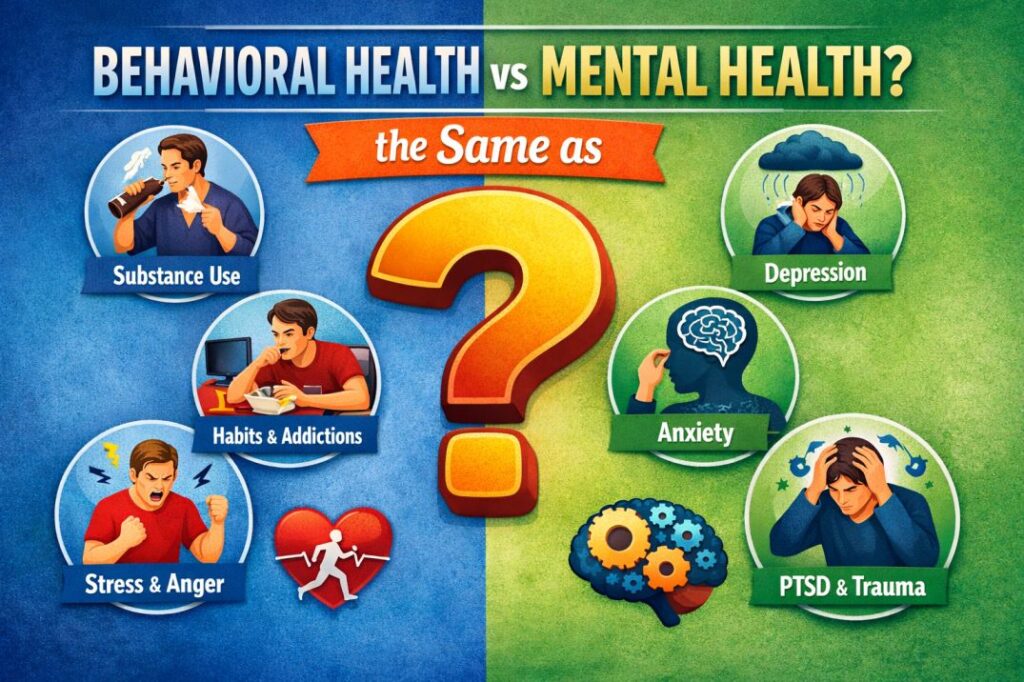
We’ve gotten better at talking about mental health, which is huge. But we still tend to separate it from the “health is wealth” conversation, like it’s a different category.
It’s not.
Your mental state affects everything—how you handle challenges, how you connect with people, whether you can even enjoy the good stuff happening in your life. You can have a perfect life on Instagram and still feel like you’re drowning.
I’ve had periods where everything looked great externally, but internally? Constant anxiety, zero fulfillment, just going through motions. That’s not wealth. That’s poverty wearing a nice outfit.
The Daily Investment Plan
Here’s what actually moves the needle, and none of it requires a complete life overhaul:
Eat like you actually like yourself. Not perfect Instagram meals—just real food, most of the time. Your body notices the difference between fuel and filler.
Move your body in ways that don’t feel like punishment. Hate the gym? Cool. Dance in your kitchen. Walk while taking calls. Play with your dog. Just move.
Protect your sleep like it’s your job. Because honestly? It kind of is. Everything’s harder on four hours of sleep. Everything.
Build in actual breaks. Not “scroll through my phone” breaks. Real ones where your brain gets to power down.
Pay attention to warning signs. That persistent weird pain? The constant fatigue? Your body’s trying to tell you something. Listen before it has to shout.
None of this is revolutionary. But consistency beats intensity every time.
Redefining What “Rich” Actually Means
Maybe real wealth is waking up and not immediately wanting to go back to sleep.
Maybe it’s having the energy to say yes to things you actually want to do.
Maybe it’s ending your day feeling tired from living, not from just surviving.
Maybe it’s being able to think clearly, feel deeply, and move freely.
When you frame it that way, health isn’t just like wealth—it’s the foundation everything else is built on. Money amplifies what you already have. Health determines whether you can enjoy it.
So, Just a Saying?
Not even close.
“Health is wealth” sounds simple because the truth usually is. We just prefer complicated because it gives us an excuse to put things off.
You don’t need a perfect plan or ideal circumstances to start taking better care of yourself. You just need to start. Today. Right now, even.
Because here’s the thing nobody likes to admit: we act like we have unlimited time to figure this out. We don’t. And the cost of ignoring your health compounds way faster than any interest rate.
Your future self is either going to thank you or wonder why you waited so long.
The Bottom Line
I’m not going to tell you that prioritizing health is easy—it’s not, especially in a world designed to drain you. But it’s worth it in ways that don’t show up on a balance sheet.
The best investment you’ll ever make isn’t in stocks or real estate. It’s in the body and mind that experience everything else. Take care of them, and they’ll take care of you.
That’s not motivational fluff. That’s just math.