
Disclaimer: This content is for informational purposes only and is not intended to replace professional medical, nutritional, or dietary advice.
If you follow a gluten-free lifestyle or are simply trying to make healthier food choices, almond meal flour has probably caught your attention. It’s popular in gluten-free baking, low-carb recipes, and everyday home cooking across the U.S. But one common question still comes up: Is almond meal flour truly gluten-free?
The short answer is yes—almond meal flour is naturally gluten-free. However, there’s more to the story, and understanding the details can help you use it safely and confidently.
Table of Contents
What Is Almond Meal Flour?
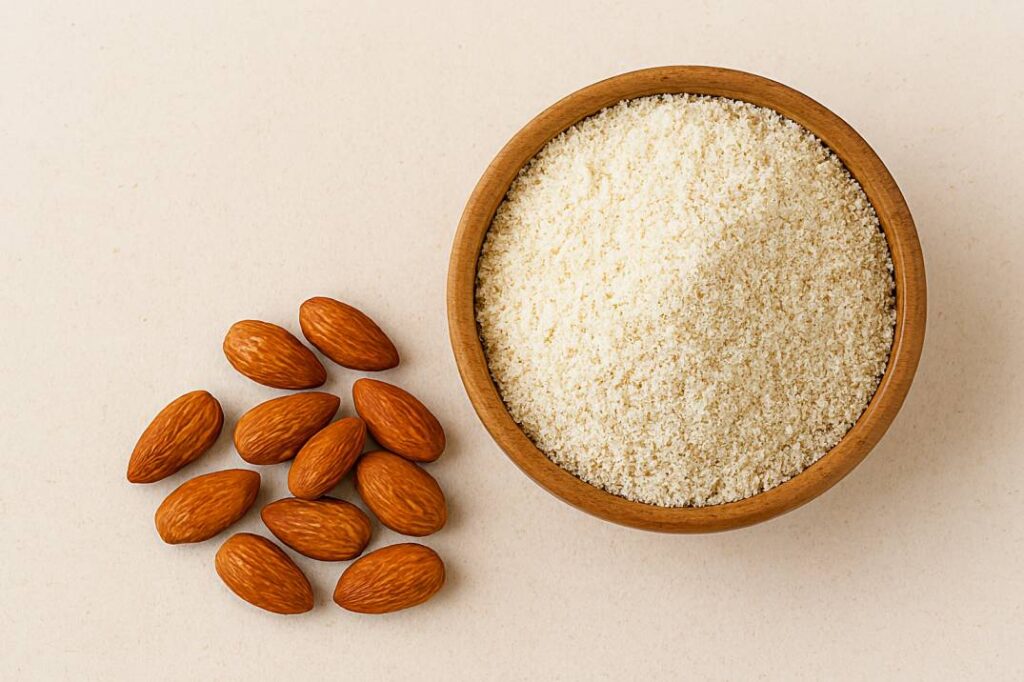
Almond meal flour is made from ground almonds. Unlike almond flour, which is usually made from blanched almonds with the skins removed, almond meal often includes the almond skins. This gives it a slightly darker color and a more textured consistency.
Both almond meal and almond flour come from the same source—almonds—so from a nutritional and gluten perspective, they are very similar.
Is Almond Meal Flour Naturally Gluten-Free?
Yes, almond meal flour does not contain gluten. Gluten is a protein found in wheat, barley, rye, and related grains. Since almonds are nuts and not grains, they do not contain gluten naturally.
This makes almond meal flour a great alternative for people who:
- Have celiac disease
- Are gluten-sensitive
- Choose a gluten-free diet for personal or lifestyle reasons
From a natural ingredient standpoint, almond meal flour is safe for gluten-free eating.
The Important Caveat: Cross-Contamination
While almond meal flour itself is gluten-free, cross-contamination can occur during processing, packaging, or transportation.
Some brands process almond meal flour in facilities that also handle wheat or other gluten-containing grains. In these cases, trace amounts of gluten may be present—even though the ingredient itself is gluten-free.
What to Look For on the Label
If you have celiac disease or high gluten sensitivity, always:
- Look for “Certified Gluten-Free” on the packaging
- Check allergen statements for shared equipment warnings
- Choose reputable brands that clearly label their products
In the U.S., certified gluten-free products must contain less than 20 parts per million (ppm) of gluten, which meets FDA standards. (source)
Almond Meal vs. Almond Flour: Does It Matter for Gluten?
From a gluten-free standpoint, there is no difference. Both almond meal and almond flour are naturally gluten-free.
The main difference lies in texture:
- Almond flour – finely ground, lighter, smoother
- Almond meal – coarser, more rustic, includes skins
Both can be used safely in gluten-free recipes as long as cross-contamination is avoided.
Why Almond Meal Flour Is Popular in Gluten-Free Diets
Almond meal flour isn’t just gluten-free—it offers several benefits that make it appealing to American households focused on health and wellness.
1. Naturally Low in Carbohydrates
Compared to traditional wheat flour, almond meal flour is much lower in carbs. This makes it popular in:
- Gluten-free diets
- Low-carb or keto-style eating
- Blood sugar–conscious meal plans
2. Rich in Healthy Fats
Almonds are a source of heart-healthy monounsaturated fats, which can support cardiovascular health when eaten in moderation.
3. Provides Protein and Fiber
Almond meal flour contains plant-based protein and dietary fiber, helping with:
- Feeling full longer
- Supporting digestion
- Balanced energy levels
4. Naturally Grain-Free
For Americans avoiding grains altogether, almond meal flour fits easily into grain-free and paleo-style diets.
Common Uses of Almond Meal Flour in Gluten-Free Cooking
Almond meal flour is versatile and works well in many everyday recipes:
- Gluten-free muffins and quick breads
- Pancakes and waffles
- Cookies and brownies
- Crusts for pies or cheesecakes
- Breading for chicken or fish
- Thickener for soups or sauces
Because it lacks gluten, almond meal flour doesn’t behave exactly like wheat flour. Many recipes combine it with eggs or binding agents to improve structure.
Is Almond Meal Flour Safe for People With Celiac Disease?
Yes—with one condition. It must be certified gluten-free.
People with celiac disease should never assume a product is safe based on ingredients alone. Always choose almond meal flour that is:
- Clearly labeled gluten-free
- Certified by a recognized third-party organization
- Produced in a gluten-free or dedicated facility
This ensures the lowest risk of gluten exposure.
How to Store Almond Meal Flour Safely
Because almond meal flour contains natural oils, it can spoil faster than grain-based flours.
For best results:
- Store in an airtight container
- Keep in the refrigerator or freezer
- Avoid heat and direct sunlight
Proper storage helps maintain freshness, flavor, and nutritional quality.
Final Thoughts: Is Almond Meal Flour Gluten-Free?
Yes—almond meal flour is naturally gluten-free and safe for gluten-free diets. However, checking labels for certification is essential, especially for people with celiac disease or severe gluten intolerance.
With its nutritional benefits, versatility, and naturally gluten-free nature, almond meal flour has earned its place in many American kitchens. Whether you’re baking, cooking, or experimenting with healthier recipes, it’s a smart and reliable flour alternative—when chosen carefully.