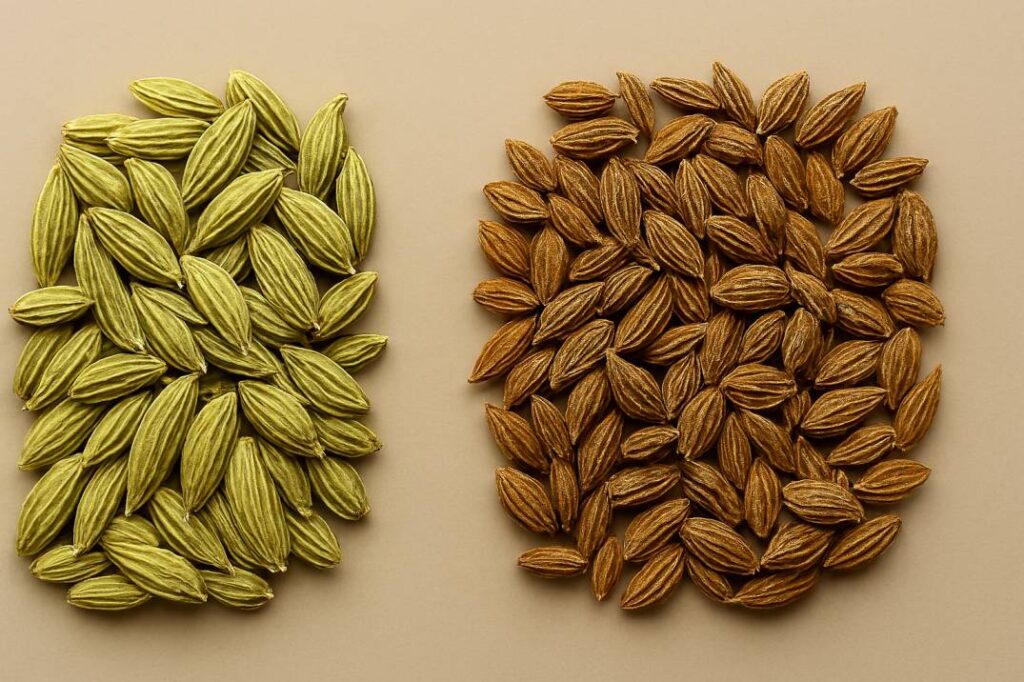

Fennel seeds (Foeniculum vulgare) are a versatile spice widely used in cooking, herbal teas, and traditional medicine. Known for their mild, sweet, and slightly licorice-like flavor, fennel seeds are not just tasty—they may also support digestion, reduce bloating, and freshen breath.
If you are wondering how much fennel seeds you should eat daily, it’s important to know the recommended amounts, ways to consume them, and the potential benefits. While fennel seeds are generally safe for most people, moderation is key to avoid side effects.
Recommended Daily Amount of Fennel Seeds
For most adults, the typical daily intake of fennel seeds ranges from 1 to 2 teaspoons (about 2–5 grams) per day. This amount is generally considered safe when used as a spice in meals, chewed after meals, or steeped in tea.
Forms of Consumption:
- Raw Seeds: Chew 1–2 teaspoons after meals for digestion and fresh breath.
- Fennel Tea: Use 1 teaspoon of seeds per cup of hot water, 1–2 cups per day.
- Ground Fennel: Add to recipes or spice blends; 1–2 teaspoons daily is sufficient.
Benefits of Eating Fennel Seeds Daily
Eating fennel seeds in moderation can provide several benefits:
- Supports Digestion: Fennel seeds may help reduce bloating and gas, and aid in smooth digestion.
- Freshens Breath: Chewing seeds after meals helps neutralize odors.
- Provides Antioxidants: Rich in flavonoids and phytonutrients that support overall health.
- Mild Anti-Inflammatory Effects: Compounds in fennel seeds may help calm minor digestive discomfort.
Source: National Center for Complementary and Integrative Health (NCCIH)
Tips for Safe Consumption
- Start Small: If you are new to fennel seeds, start with half a teaspoon daily and gradually increase.
- Avoid Excessive Intake: Too many fennel seeds may cause nausea, allergic reactions, or digestive upset.
- Pregnancy Caution: Pregnant or breastfeeding women should consult a doctor before consuming large amounts.
- Combine With Meals: Add fennel seeds to dishes, teas, or spice blends for natural flavor and health benefits.
Source: Harvard Health – Herbs & Spices
How to Include Fennel Seeds in Your Diet
- Chew after meals: A natural way to aid digestion and freshen breath.
- Fennel tea: Boil 1 teaspoon of seeds in water for 5–10 minutes.
- Cooking: Add to soups, curries, sauces, or roasted vegetables.
- Baking: Include in breads, cookies, and other baked goods for a subtle flavor.
Possible Side Effects
Although fennel seeds are safe in moderate amounts, excessive consumption may lead to:
- Mild digestive discomfort
- Allergic reactions in sensitive individuals
- Increased sensitivity to sunlight (rare)
Moderation is key to enjoying the benefits without adverse effects.
Source: Cleveland Clinic – Fennel
Final Thoughts
Eating 1–2 teaspoons of fennel seeds daily is generally safe and can support digestion, freshen breath, and add natural flavor to meals. Start with a small amount, monitor your body’s response, and enjoy the mild, sweet, and refreshing taste of fennel seeds.
FAQ
Q: Can I eat fennel seeds every day?
A: Yes, 1–2 teaspoons per day is safe for most adults.
Q: How do I make fennel seed tea?
A: Steep 1 teaspoon of fennel seeds in a cup of hot water for 5–10 minutes.
Q: Are there any risks?
A: Overconsumption may cause mild digestive upset or allergic reactions. Pregnant women should consult a doctor.