Disclaimer: This content is for informational purposes only and does not replace professional medical advice. Always consult a qualified healthcare provider before making dietary changes, especially if you have a medical condition or food allergy.
Gluten-free soy sauce has become increasingly popular among people who want to enjoy flavorful meals without digestive discomfort. Traditional soy sauce often contains wheat, which makes it unsuitable for individuals with celiac disease or gluten sensitivity. For others, reducing gluten intake is part of a broader effort to eat more mindfully and support long-term wellness.
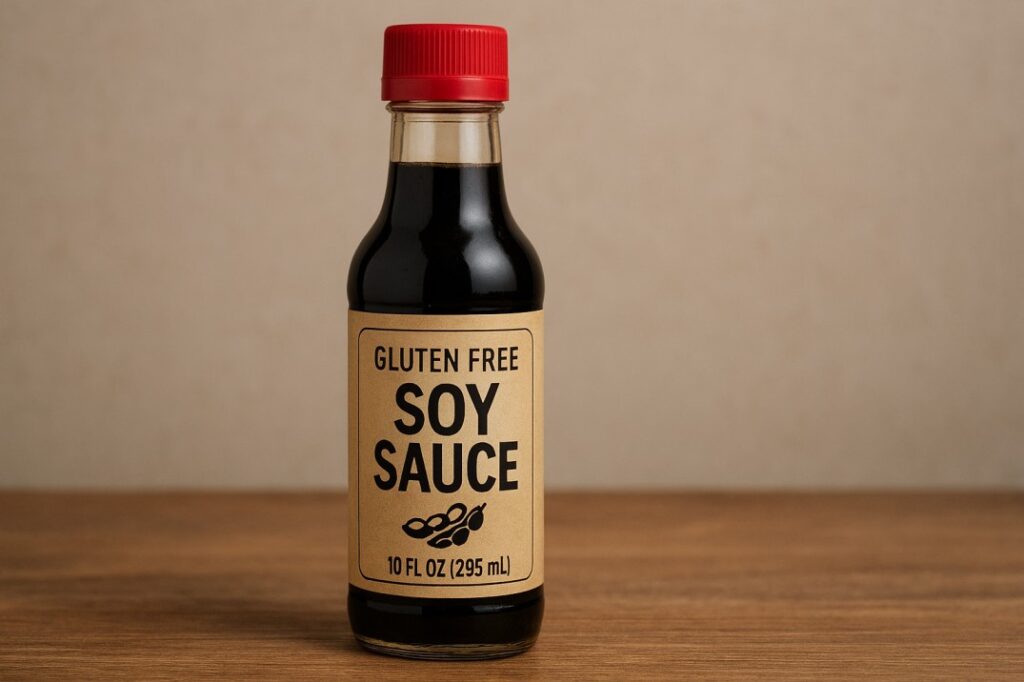
Gluten-free soy sauce offers the same savory, umami-rich taste people love, but without wheat-based ingredients. When chosen carefully and used in moderation, it can fit well into a balanced and health-conscious lifestyle.
What Is Gluten-Free Soy Sauce?
Gluten-free soy sauce is made without wheat, which is commonly used in the fermentation process of regular soy sauce. Instead, it relies on fermented soybeans, salt, water, and sometimes rice or other gluten-free grains.
One well-known type is tamari, a Japanese-style soy sauce that is traditionally wheat-free or contains very little wheat. However, not all tamari is gluten-free, so it’s important to check product labels carefully.
Certified gluten-free soy sauces are produced in controlled environments to avoid cross-contamination, making them safer for people with gluten intolerance.
Why Regular Soy Sauce Can Be a Problem
Traditional soy sauce typically contains wheat, which introduces gluten into the final product. For individuals with celiac disease, even small amounts of gluten can damage the intestinal lining and interfere with nutrient absorption.
People with non-celiac gluten sensitivity may experience symptoms such as:
- Bloating and gas
- Stomach discomfort
- Fatigue
- Headaches
Switching to gluten-free soy sauce can help reduce these symptoms while still allowing you to enjoy flavorful meals.
Health Benefits of Gluten-Free Soy Sauce
1. Supports Digestive Comfort
By removing wheat, gluten-free soy sauce helps prevent digestive irritation in people sensitive to gluten. This can improve overall gut comfort and reduce post-meal discomfort.
2. Contains Fermentation-Derived Compounds
Naturally brewed soy sauces undergo fermentation, a process that produces beneficial compounds such as antioxidants. These compounds help protect cells from oxidative stress when consumed as part of a balanced diet.
3. Encourages Mindful Eating
Gluten-free soy sauce has a rich, concentrated flavor, meaning you often need less to season food. This can help limit excess sodium intake while still enhancing taste.
4. Supports Cleaner Ingredient Choices
Many gluten-free soy sauces contain simpler ingredient lists, avoiding artificial colors or preservatives. Choosing products with fewer additives supports cleaner eating habits.
Is Gluten-Free Soy Sauce Healthy for Everyone?
Gluten-free soy sauce is essential for people with celiac disease or gluten sensitivity. For others, it can still be a smart option due to its clean ingredients and strong flavor profile.
However, it’s important to remember that soy sauce—gluten-free or not—is high in sodium. Excess sodium intake may increase blood pressure and strain the heart. Moderation is key.
People with soy allergies should avoid soy sauce entirely and look for alternative seasonings.
Sodium Content and Heart Health
Most soy sauces contain significant sodium, which helps preserve the product and enhance flavor. While sodium is necessary for bodily functions, too much can raise blood pressure.
To reduce sodium impact:
- Choose low-sodium gluten-free soy sauce
- Use smaller amounts
- Balance meals with potassium-rich foods like vegetables
According to the American Heart Association, reducing sodium intake supports long-term heart health.
How to Use Gluten-Free Soy Sauce in Everyday Cooking
Gluten-free soy sauce is incredibly versatile and works well in many dishes, including:
- Stir-fried vegetables and rice
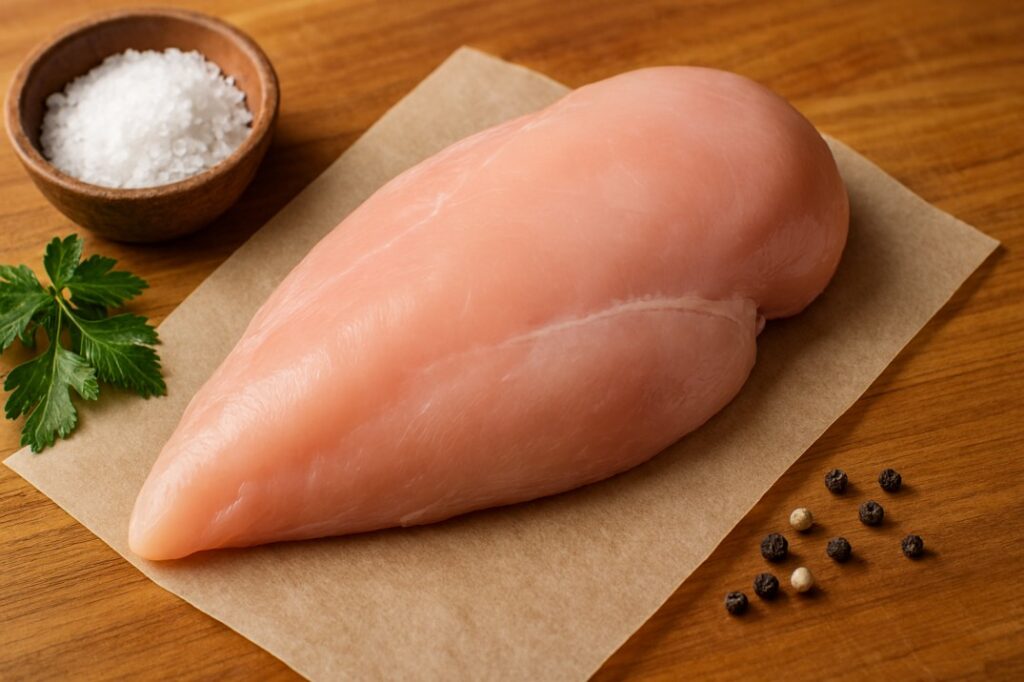
- Marinades for chicken, fish, tofu, or tempeh
- Soups and broths
- Salad dressings mixed with olive oil and vinegar
- Grain bowls, sushi, and noodle dishes
Using it as a finishing touch rather than a main ingredient helps control sodium while maximizing flavor.
How to Choose the Best Gluten-Free Soy Sauce
When shopping, look for:
- Certified gluten-free labeling
- Naturally brewed or traditionally fermented products
- Short ingredient lists
- No artificial additives or coloring
- Reduced-sodium options if available
Reading labels carefully ensures both safety and quality.
Who Should Consider Gluten-Free Soy Sauce?
Gluten-free soy sauce is especially beneficial for:
- People with celiac disease
- Individuals with gluten sensitivity
- Those following a gluten-free lifestyle
- Anyone seeking cleaner ingredient alternatives
It can also be useful for households cooking for guests with dietary restrictions.
Final Thoughts
Gluten-free soy sauce allows people to enjoy rich, savory flavors without compromising digestive comfort or dietary needs. While it is not a healthy food on its own, choosing a high-quality gluten-free option and using it in moderation can support balanced eating and mindful cooking.
By pairing it with whole foods, vegetables, and lean proteins, gluten-free soy sauce can be a valuable addition to a health-focused kitchen.
Trusted Source
Celiac Disease Foundation – Gluten in Foods
https://celiac.org