
Disclaimer: The information provided on this website is for general informational and educational purposes only. It is not intended as medical, health, or professional advice.
Take a quick look around any coffee shop, office, or park in the United States, and you’ll notice something interesting. Many people glance at their wrists before standing up, check a screen after a walk, or review their sleep stats first thing in the morning. Wearable health technology has quietly woven itself into everyday American life.
What began as simple step counters has evolved into smart devices that track heart activity, sleep patterns, movement, and even stress levels. These tools promise better awareness and healthier habits—but are they actually making a meaningful difference?
The answer isn’t as simple as yes or no. To understand the real impact of wearable health tech, we need to look beyond the marketing and examine how people actually use these devices in daily life.
Table of Contents
Understanding Wearable Health Technology
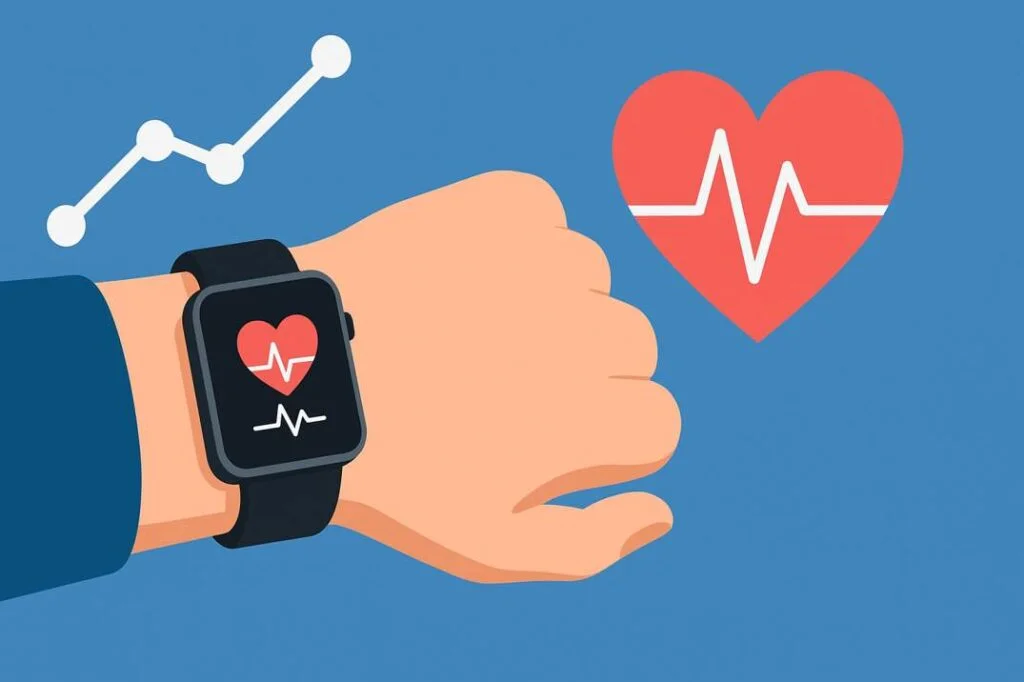
Wearable health technology refers to electronic devices designed to be worn on the body and used continuously throughout the day. Unlike traditional medical equipment, these devices are built for convenience and everyday awareness rather than diagnosis or treatment.
Common examples include:
- Smartwatches
- Fitness bands
- Health-tracking rings
- Activity monitors
Most wearables collect data related to physical activity, heart rate trends, sleep habits, and general wellness. The goal is not to replace healthcare professionals, but to help users better understand their routines and patterns.
This accessibility is one reason wearables have become so popular in the United States.
Why Wearable Health Tech Appeals to Americans
The rapid adoption of wearable health devices reflects broader lifestyle shifts in American society. (source)
A Desire for Control Over Health
Healthcare in the U.S. can feel complex and expensive. Wearables offer something appealing: daily insights that make health feel more personal and manageable. Instead of waiting for annual checkups, users can observe patterns every day.
Busy, Screen-Centered Lives
Many Americans work long hours and spend significant time sitting. Wearables fit easily into these routines, offering reminders to move, stretch, or rest—without requiring major lifestyle changes.
Increased Focus on Preventive Wellness
There’s growing interest in prevention rather than reaction. Wearables support this mindset by highlighting trends early, even if they don’t provide medical conclusions.
The Practical Benefits of Wearable Health Tech
When used thoughtfully, wearable health technology can support healthier habits in realistic ways. (source)
Encouraging Everyday Movement
Physical inactivity is a widespread issue in the U.S. Wearables gently nudge users to move more throughout the day. A vibration reminding someone to stand or walk may seem small, but over time, these prompts can reduce prolonged sitting.
Many users report that simply seeing their daily movement encourages them to take short walks, choose stairs, or be more mindful of activity.
Building Awareness Around Sleep
Sleep is often overlooked in busy American lifestyles. Wearable sleep tracking helps users notice patterns they might otherwise ignore—such as inconsistent bedtimes or frequent nighttime awakenings.
While wearables cannot measure sleep perfectly, they help people reflect on habits that affect rest, like late-night screen use or caffeine intake.
Promoting Mindful Stress Awareness
Some wearable devices estimate stress using heart rate patterns and activity levels. These insights don’t label or diagnose anything, but they can encourage users to pause and reflect.
For people balancing work, family, and financial pressures, this awareness may prompt healthier routines like breaks, breathing exercises, or improved work-life balance.
Where Wearable Health Tech Falls Short
Despite its benefits, wearable health technology is not a perfect solution.
Numbers Can Create Pressure
For some users, daily goals turn into daily stress. Missing a step target or seeing a poor sleep score can feel discouraging rather than helpful.
Health is not always predictable, and life doesn’t follow algorithms. When users focus too much on numbers, they may ignore how they actually feel.
Data Isn’t Always Easy to Interpret
Wearables rely on estimates and patterns, not direct measurements. Without proper context, data can be misunderstood.
This is why it’s important to view wearable data as general guidance—not absolute truth—and avoid making health decisions based solely on a screen.
Wearables and Privacy Concerns
Another important consideration is data privacy. Wearable devices collect personal information about daily habits, activity levels, and health trends.
Many users don’t fully read privacy policies or understand how their data may be stored or shared. As wearable health tech becomes more widespread, transparency and responsible data handling will play a major role in user trust.
For American consumers, awareness and informed choices are essential.
Who Benefits the Most from Wearable Health Tech?
Wearable health technology works best when expectations are realistic.
Likely to benefit:
- People building healthier daily routines
- Individuals seeking motivation for movement
- Users interested in general wellness awareness
- Busy adults who appreciate reminders
Less helpful for:
- Those who expect medical diagnosis
- People uncomfortable with constant tracking
- Users who feel stressed by performance goals
The value of wearables depends largely on how they are used—and why.
The Human Side of Health Technology
One important truth often overlooked is that health is deeply personal. No device can fully understand emotions, lifestyle challenges, or individual circumstances.
Wearables work best when they support human decision-making, not replace it. They can highlight patterns, but they cannot tell someone how to live, rest, or feel.
When users listen to their bodies first and use technology as a tool—not a rule—wearables can be genuinely helpful.
The Future of Wearable Health Technology in America
As technology evolves, wearable health devices are expected to become more refined and personalized. Future developments may include better long-term trend analysis and closer integration with healthcare systems.
However, even the most advanced devices will still depend on human judgment, education, and balanced lifestyles. Technology alone cannot solve complex health challenges.
So, Is Wearable Health Tech Improving American Lives?
In many cases, yes—but with limits.
Wearable health technology has helped millions of Americans become more aware of movement, sleep, and daily habits. It encourages reflection, consistency, and small improvements that add up over time.
At the same time, it is not a replacement for medical care, healthy routines, or common sense. When expectations are realistic and usage is mindful, wearables can be a positive influence rather than a source of pressure.
Final Thoughts
Wearable health tech reflects a larger shift in how Americans think about wellness. It represents curiosity, awareness, and a desire to live better—not perfection.
Used responsibly, these devices can support healthier habits and greater self-understanding. Used blindly, they can create unnecessary stress.
The real improvement doesn’t come from the device itself—it comes from how thoughtfully it’s used.


