Yeah, brown sugar is gluten-free. If that’s all you needed to know, there you go.
But if you’re asking because you’ve got celiac or you’re sensitive to gluten, let me tell you a bit more about it. There’s some stuff worth understanding here.
So what is brown sugar anyway
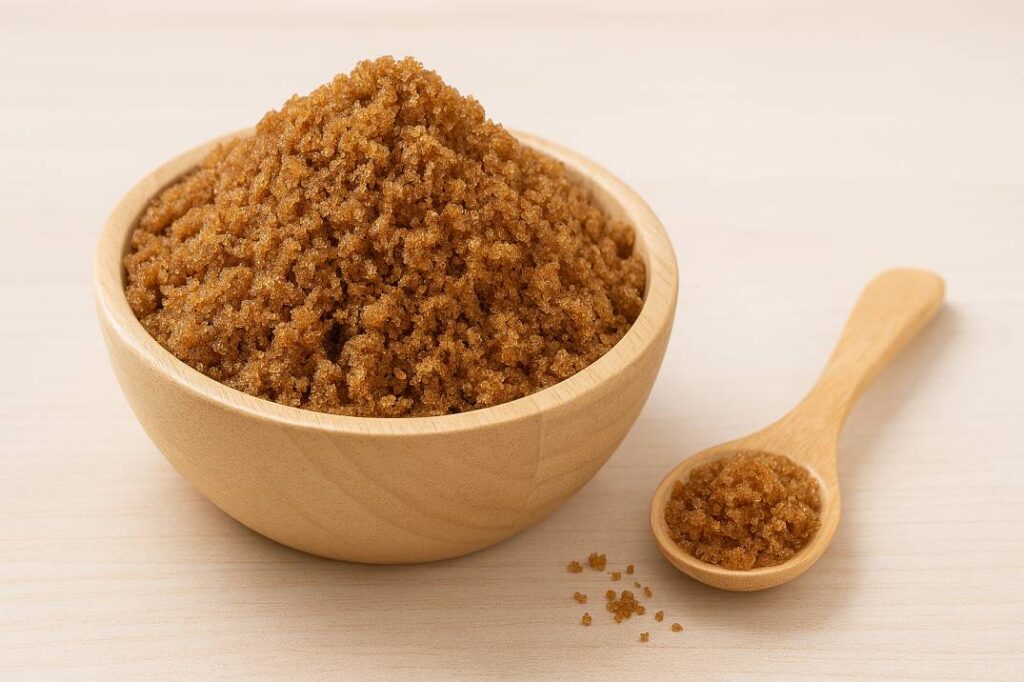
Brown sugar is just white sugar with molasses mixed in. That’s literally it. Nothing fancy going on here. The molasses gives it that brown color and makes it taste different than regular sugar – kind of caramelly.
You’ve probably noticed there’s light brown sugar and dark brown sugar at the store. Light has less molasses, maybe 3-4%. Dark has more, like 6-7%. That’s why dark brown sugar tastes stronger and is stickier when you scoop it out. ( source )
Where does all this come from? Sugar cane or sugar beets. They grow these plants, harvest them, process everything to extract the sugar. Molasses is what gets left behind during that refining process. To make brown sugar they just add some molasses back into the white sugar.
No wheat anywhere in this process. No barley, no rye, none of those gluten grains. Sugar cane and sugar beets are completely different plants. So there’s no gluten in brown sugar naturally.
What about cross-contamination though
Alright so the ingredients are fine. But what if brown sugar touches something with gluten at the factory? Valid question.
Cross-contamination is a real thing with lots of foods. It happens when gluten-free stuff gets near gluten-containing products on shared equipment or in facilities making multiple products.
But with brown sugar, the risk is pretty low. Sugar companies usually only make sugar. They’re not making wheat flour on the same equipment or in the same building. It’s a totally different operation.
Think about oats – they’re naturally gluten-free but almost always contaminated because they grow next to wheat fields, get harvested with the same machines, processed at the same mills. That’s why you need certified gluten-free oats if you’ve got celiac.
Brown sugar doesn’t face these problems. From farm to package, it’s not running into wheat or other gluten grains.
Now, everyone’s different when it comes to gluten sensitivity. Some folks with celiac react to tiny trace amounts. If that’s you, maybe be more cautious even with low-risk stuff. You know your body better than anyone.
Flavored brown sugars are different story
Plain brown sugar? You’re good. Just sugar and molasses.
But stores sell all these flavored brown sugars now. Vanilla, cinnamon, maple, all kinds of varieties. Those are where you gotta watch out.
The flavorings they add might have gluten or be made in ways that introduce it. And ingredient labels don’t always spell everything out clearly.
You’ll see “natural flavors” listed and who knows what that means. Could be fine, could have gluten – you just don’t know. Sometimes these use wheat-based alcohol in the flavoring. Sometimes there’s maltodextrin which can come from wheat.
If you want flavored brown sugar, only get ones that say gluten-free right on the package. Otherwise buy plain and add your own vanilla or cinnamon or whatever you want.
Should you buy certified gluten-free
Depends on your situation really.
Most people do fine with regular brown sugar from normal brands. Domino, C&H, even store brands – these companies make sugar in facilities that don’t handle wheat products. Very low risk of contamination.
Certified gluten-free products are tested to have under 10 parts per million of gluten. Organizations like GFCO verify this.
If you’ve got celiac and you’re super sensitive, certified might be worth it for peace of mind. Some people react to amounts that wouldn’t affect others. If the extra cost is worth it for you to feel safe, go for it.
But certified gluten-free brown sugar costs more and isn’t always easy to find. Might need specialty stores or online ordering.
For people with mild sensitivity or who avoid gluten by choice, certified is probably unnecessary. Regular brown sugar should work.
Brown sugar is actually good for gluten-free baking
Here’s something nice – brown sugar works really well in gluten-free baking.
Big problem with gluten-free baking is everything comes out dry and crumbly. Without gluten holding things together and trapping moisture, you get disappointing results. Texture is tough to get right.
Brown sugar helps because molasses holds onto moisture. It’s hygroscopic – attracts and keeps water. So your gluten-free cookies and cakes stay softer and more tender.
Plus the molasses adds flavor that white sugar doesn’t have. Those caramel and toffee notes really help when you’re using gluten-free flours that can taste kind of bland.
Honestly, lots of people say their gluten-free brown sugar cookies taste better than regular ones. Richer flavor makes up for texture differences.
You can swap brown sugar for white sugar in recipes. Just know it changes the taste and adds moisture, so might need to adjust other stuff. Makes things darker colored too.
What you should actually worry about
Brown sugar really shouldn’t be on your list of concerns. Ingredients are naturally gluten-free, contamination risk is low, it’s available everywhere.
Plenty of other stuff needs your attention more. Soy sauce has wheat unless you buy gluten-free tamari specifically. Restaurant cross-contamination is huge – shared fryers, cutting boards, utensils all transfer gluten. Processed foods sneak gluten into weird places.
Some medications have gluten in inactive ingredients. Lipstick can have gluten which matters if you’re ingesting any. Beer is made from barley. Communion wafers are wheat. Goes on and on.
Compared to all that, brown sugar is simple and straightforward. Something you don’t have to stress over, which is nice when everything else requires constant checking.
Bottom line here
Brown sugar is gluten-free. Sugar and molasses don’t have gluten. How they make it doesn’t contaminate it. Regular brands are safe.
Get plain brown sugar, skip flavored unless labeled gluten-free. If you’re really sensitive and want extra assurance, certified gluten-free exists but costs more and is harder to find.
Brown sugar helps gluten-free baking by adding moisture and flavor. Makes things easier not harder.
You gotta be careful about tons of things on a gluten-free diet. Brown sugar doesn’t need to be one of them. Safe, available, use it normally. Save your worry for stuff that’s actually risky.