Disclaimer: Just my personal observations and experiences here, not medical advice. Talk to actual healthcare professionals about your health decisions, not random people on the internet like me.
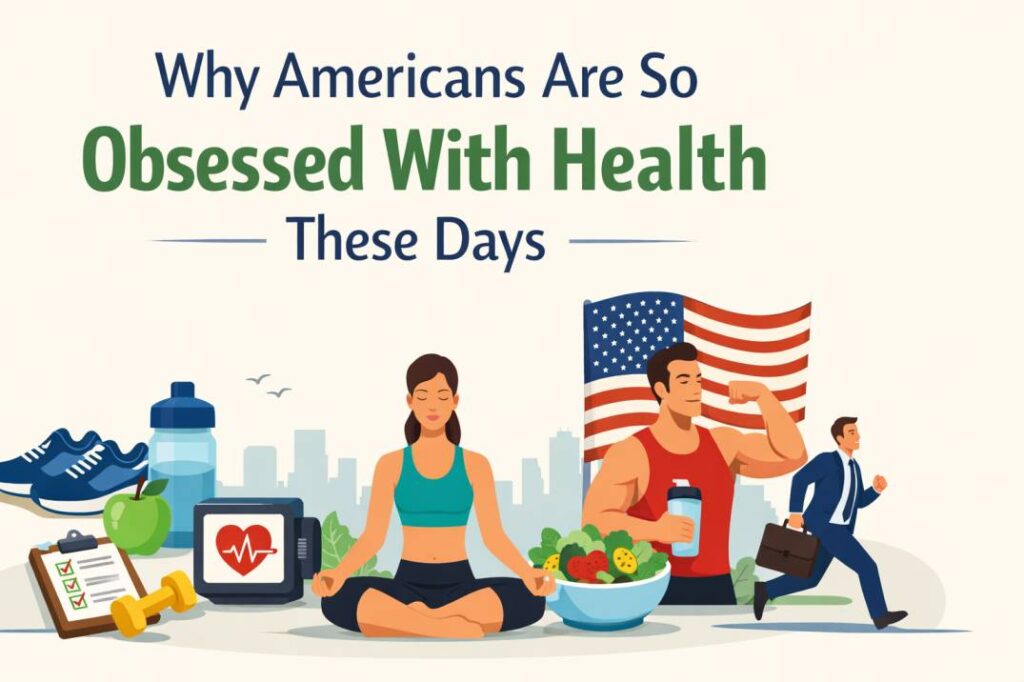
Okay so I’ve noticed something lately and I can’t be the only one. Everyone – and I mean EVERYONE – suddenly seems super into health and wellness. My neighbor who used to survive on fast food? Now she’s doing intermittent fasting. My brother who wouldn’t touch a vegetable to save his life? I just bought a juicer. What happened?
I’ve been thinking about this a lot because honestly, I’m part of this shift too. Five years ago I didn’t think twice about my health unless something hurt. Now I’m over here reading nutrition labels like it’s my job and actually caring about my step count. When did we all become like this?
The Pandemic Scared the Hell Out of Us
Let’s just start with the obvious one. COVID hit and suddenly everyone was talking about comorbidities and underlying conditions and immune systems. I remember my mom calling me in a panic asking if I had high blood pressure because she’d just learned that was a risk factor.
Before 2020, most of us younger folks felt pretty invincible. Health problems were something that happened to other people, older people, not us. Then we watched the news and saw people our age ending up in hospitals, and that invincibility complex just… shattered.
I had a friend who was perfectly healthy – or so we thought – who got really sick with COVID. She recovered but it took months and she still deals with fatigue. That was a wake up call for our whole friend group. Like oh crap, we’re not immune to this stuff just because we’re in our 30s.
And even people who didn’t get seriously sick spent months at home thinking about mortality in ways we normally avoid. When you’re stuck inside with nothing but time to think, you start evaluating your life choices. Mine definitely didn’t look great under that kind of scrutiny.
Our Healthcare System is Broken and Expensive AF
Here’s the thing nobody likes to talk about but everyone knows – going to the doctor in America can literally bankrupt you. I went to urgent care last year for what turned out to be a sinus infection. Got a bill for $800. FOR A SINUS INFECTION.
My insurance covered some of it but not all because of course there’s a deductible I haven’t met yet. The whole system is designed to make you give up and just not go to the doctor. Which is exactly what a lot of us do until things get really bad.
So people are doing the math and realizing prevention is way cheaper than treatment. My gym membership costs $40 a month. That’s less than a single copay for a specialist visit. Eating better costs more than fast food, sure, but it’s nothing compared to what my coworker paid for his diabetes medication before his insurance kicked in.
It’s messed up that financial fear is driving health decisions but that’s where we are. Can’t afford to get sick so might as well try to stay healthy. Very American problem to have honestly.
Instagram Made Everyone a Health Guru
Social media is wild you guys. My feed used to be vacation photos and memes. Now it’s 50% people posting their morning routines, green smoothies, gym selfies, and “what I eat in a day” videos.
At first I thought it was annoying but then I found myself actually watching this stuff. And then trying some of it. And then posting my own gym selfie because apparently I’m that person now. The influence is real.
There’s definitely toxic stuff mixed in there – the diet culture, the unrealistic body standards, the humble bragging. But there’s also this weird accountability that happens when everyone you know is posting about their health journey. Makes you think maybe you should have a health journey too?
Plus you can learn a lot. I found out I was probably lactose intolerant from a random TikTok video about gut health symptoms. Mentioned it to my doctor and yep, turns out that was my problem. Never would’ve figured that out on my own.
We’re All Burnt Out and Finally Admitting It
The hustle culture thing that was so big in like 2015-2019? Yeah that broke a lot of us. I spent my twenties thinking sleep was for the weak and weekends were for side hustles. Crashed and burned spectacularly in my early thirties.
Burnout isn’t just feeling tired. It’s your body basically staging a revolt against your lifestyle. I was having panic attacks in parking lots before meetings. My hair started falling out. I couldn’t sleep but was exhausted all the time. Fun times.
Turns out I wasn’t alone in this. Pretty much everyone I know has a similar story. We all hit walls at different times but we all hit them. And that forced a lot of us to reevaluate what we were doing to ourselves in the name of productivity or success or whatever.
The narrative is shifting now at least with younger people. Gen Z looked at millennials burning out left and right and said yeah no thanks, we’re not doing that. They actually take mental health days. They set boundaries with work. Revolutionary concepts to those of us who were taught to just power through everything.
Information Overload is Actually Making Us Pay Attention
We have SO much information available now about health and most of it contradicts the other information. Coffee is good for you except when it’s bad for you. Carbs are essential unless you’re doing keto in which case they’re poison. Eggs will kill you or maybe they’re a superfood depending on which study you read.
It’s honestly exhausting trying to keep up with it all. But weirdly I think the confusion itself makes people more engaged with health topics? Like you’re constantly trying to figure out what’s actually true so you’re always reading articles and watching videos and asking questions.
I’ve learned more about nutrition in the past three years than I did in my entire life before that. Not all of it is correct probably but I’m at least thinking about it now instead of just eating whatever and hoping for the best.
Smart watches and fitness trackers add another layer to this. I can see my heart rate, my sleep quality, how many steps I took, how many calories I supposedly burned. Is all that data actually helpful? Debatable. But it makes you aware of your body in ways you weren’t before.
My watch yelled at me the other day for sitting too long and I was annoyed but also… it was right. I had been sitting for three hours straight. That’s not good. So I got up and moved around. Would I have done that without the reminder? Probably not.
Everyone Knows Someone Who Got Sick
This is the depressing one but it matters. Chronic diseases are everywhere now. Diabetes, heart disease, cancer, autoimmune disorders – if you don’t have one yourself you definitely know multiple people who do.
My uncle had a heart attack at 52. My friend’s mom got diagnosed with stage 4 cancer at 48. Another friend developed type 2 diabetes in his thirties. These used to be old people diseases and now they’re just… regular people diseases.
And a lot of them are preventable or at least could be delayed with lifestyle changes. That’s the thing that gets you. When you watch someone you love deal with a serious health condition and learn that maybe it could’ve been avoided if they’d eaten differently or exercised more or managed stress better.
I don’t want to blame people for getting sick because that’s not fair and lots of health issues aren’t preventable. But when doctors are telling us that our lifestyle choices matter more than we realized, people are listening now. Because we’ve seen what happens when you don’t.
The Wellness Industry Figured Out How to Market to Us
Companies realized there’s massive amounts of money to be made in health and wellness and they went all in. You can’t escape it now. Every brand is trying to be a wellness brand.
Even regular grocery stores are completely different than they were ten years ago. There are entire aisles of organic stuff, plant-based alternatives, gluten-free everything, supplements for every possible concern. The options are overwhelming but they’re there.
Fitness apps, meal kit deliveries, online therapy, meditation subscriptions – there’s a product for every aspect of health you could possibly want to improve. Some of it is genuinely helpful and some of it is overpriced garbage but the accessibility has increased a lot.
You used to need money to access health resources. You still kind of do but way less than before. Free workout videos on YouTube, free meditation apps, health information on social media. Not everything requires dropping hundreds of dollars anymore.
Though let me be real, the industry also creates a lot of anxiety and unnecessary spending. Do you really need that $50 jar of collagen powder? Probably not. But they’ve convinced a lot of us we do.
Younger People Are Changing the Culture
I work with a bunch of Gen Z folks and they have such a different attitude about all this stuff. They just don’t have the same toxic relationship with work and productivity that older generations do.
One of my coworkers is 24 and she literally told our boss she couldn’t work late because she had therapy. Just said it straight out like it was a dentist appointment. I was shocked. When I was 24 I would’ve rather died than admit I was in therapy.
They talk about mental health the way we talk about the weather. Casual, no big deal, totally normal. “Yeah I’m pretty anxious today” – just a statement of fact not something to be ashamed of.
And it’s rubbing off on the rest of us. Hard to maintain your old hangups about wellness and self-care when the people around you are just openly prioritizing it without apology. Makes you question why you’re not doing the same.
We Want to Actually Enjoy Being Older
People are living longer now which is great but also means we’re watching our parents and grandparents deal with decades of declining health. My grandma is 82 and she can barely walk because of joint problems and diabetes complications. She tells me all the time – take care of yourself now because you can’t go back and undo the damage.
That hits different than generic health advice from your doctor. When you see the actual reality of what poor health looks like in old age it stops being abstract.
Nobody wants to be 70 and unable to play with their grandkids or travel or do anything fun because they’re dealing with preventable health problems. The goal isn’t just living to 80, it’s living well until 80.
I think a lot of Americans are realizing that the choices we make now determine what our older years look like. And we’re choosing differently than previous generations did because we can see where their choices led.
It’s Honestly Become Part of Our Identity Now
Taking care of yourself used to be something you did quietly. Now it’s something people build their whole personality around. Which sounds obnoxious when I say it like that but I kind of get it.
When you make a lifestyle change that actually improves your life, you want to talk about it. You want to share what worked for you. And yes you probably want some validation and recognition for the effort you’re putting in.
Is it performative sometimes? Sure. But so is most of social media. At least people are performing health instead of performing how much they can drink or how little they sleep or whatever else we used to brag about.
The cultural shift feels pretty real though. Health consciousness has gone from something only super dedicated people worried about to just a normal part of how Americans think about their lives now. For better or worse we’re all more aware of and invested in our health than we used to be.
So Where Does This Leave Us?
I don’t know if this wave of health consciousness will last or if it’s just a phase that’ll fade out eventually. Cultural trends come and go. But it feels different this time somehow. Like we crossed a threshold and there’s no going back to the old “ignore your health until something breaks” approach.
There are still huge problems – healthcare access inequality, misinformation, diet culture toxicity, wellness industry exploitation. We haven’t solved those and maybe we never will. But overall having more people care about their health seems like a net positive even if it’s messy and imperfect.
I’m more conscious about my health than I used to be and honestly it’s made my life better. I feel better physically and mentally than I did five years ago even though I’m older now. That seems worth the effort and attention it requires.
Whether we’re doing this because we want to or because systems have forced us to, the end result is the same – Americans are paying attention to health in ways previous generations didn’t. And maybe that’ll actually change some things for the better. We’ll see.