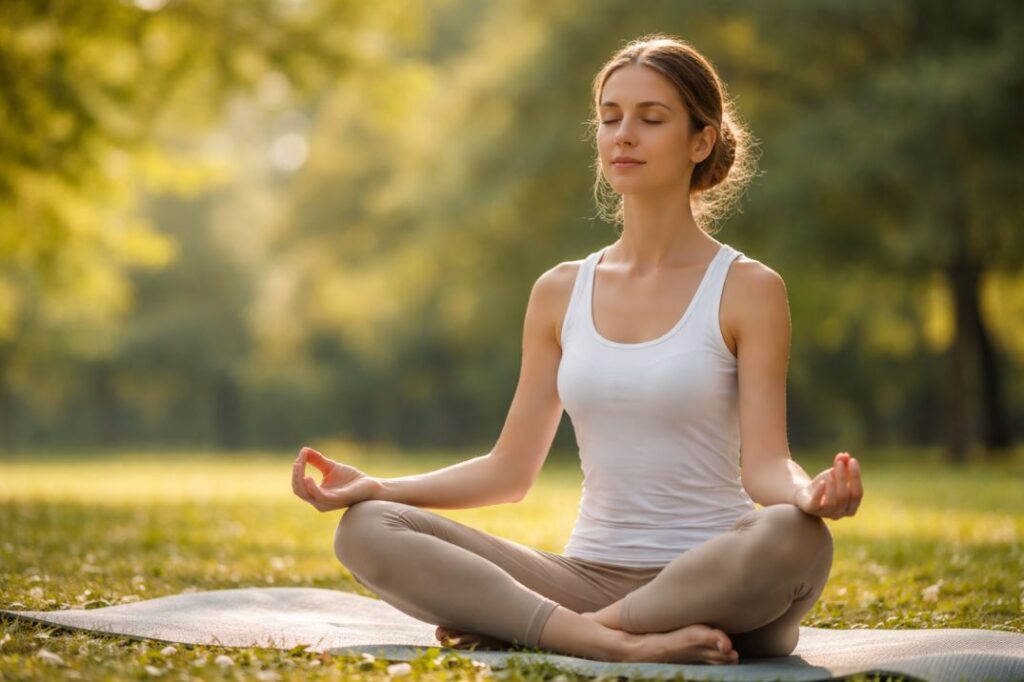
We all feel stressed sometimes. Between work deadlines, family responsibilities, and daily life challenges, stress can make us feel tense, overwhelmed, or mentally drained. Learning how to manage stress is important for both our minds and bodies. One of the easiest ways to handle stress is through meditation.
Meditation is a practice that helps calm the mind, focus thoughts, and relax the body. It’s simple, free, and doesn’t need any special equipment. Research shows that practicing meditation regularly can help lower stress, ease anxiety, and improve overall well-being. (According to mayoclinic)
In this post, you’ll discover what meditation is, why it works for stress, and simple meditation techniques you can start today, even if you’ve never tried it before.
Table of Contents
What Meditation Really Is
Meditation is all about training your mind to focus on one thing at a time — like your breath, body sensations, or even a short phrase. The goal isn’t to “clear your mind” completely. Instead, it’s about gently bringing your focus back whenever your thoughts drift. ( According to health.cornel)
It has been practiced for thousands of years in spiritual traditions, and today people all over the world use meditation as a tool for mental and physical well-being. Experts often call it a “mind-body practice” because it positively affects both the mind and the body. (According to mayoclinic)
How Meditation Techniques Helps With Stress
Stress doesn’t just affect our mood — it impacts our whole body. When stressed, your heart beats faster, breathing becomes shallow, and hormones like cortisol increase. Over time, chronic stress can affect sleep, mood, blood pressure, and even your immune system.
Meditation helps by triggering the relaxation response, which calms the body. It slows the heart rate, reduces stress hormones, and relaxes tense muscles.
Studies show that meditation programs can reduce anxiety and improve emotional well-being when practiced consistently. (According JAMA Network)
Tips Before You Begin
Before trying meditation, a few simple tips can help make your practice easier:
- Pick a quiet spot: A calm space helps you focus. (According to mayoclinic)
- Sit comfortably: You can sit in a chair, on the floor, or lie down. Keep your back straight but relaxed.
- Start small: Even 5 minutes a day can make a difference. Gradually increase your session time as you get more comfortable.
- Be kind to your mind: Thoughts will appear — instead of judging yourself, gently bring your attention back to your focus. ( According to health.cornel)
1) Deep Breathing Meditation
Why it works: Deep breathing signals your body to relax. It’s simple and effective for calming stress quickly.
How to do it:
- Sit or lie down comfortably.
- Close your eyes if you like.
- Slowly inhale through your nose for 4 counts.
- Hold your breath for 2 counts.
- Slowly exhale through your mouth for 6 counts.
- Repeat for 5–10 minutes.
Focus on the sensation of the air entering and leaving your body. Let your shoulders drop and your face soften. Even a few minutes of this practice can help you feel more centered.
2) Mindfulness Meditation
Mindfulness is about noticing the present moment without judgment. You observe your thoughts, feelings, and surroundings, and then gently return your focus to your breath.
How to do it:
- Sit or lie down in a comfortable position.
- Take a few deep breaths and close your eyes.
- Notice your breath going in and out.
- When thoughts appear, acknowledge them and let them pass without getting caught up in them.
- Return your attention to your breathing.
Mindfulness meditation helps calm anxious thoughts and strengthens emotional awareness. Start with 5 minutes and increase gradually.
3) Guided Meditation
For beginners, guided meditation is very helpful. You follow a teacher or recording that guides you through steps like breathing, body relaxation, or visualization.
How to do it:
- Use apps like Calm, Headspace, or Insight Timer.
- Find a comfortable spot and play the guided session.
- Follow the instructions to relax and focus.
This method is great for those who have trouble staying focused or need extra support.
4) Body Scan Meditation
This technique focuses on noticing tension in your body and releasing it.
How to do it:
- Lie down or sit comfortably.
- Close your eyes and take slow, deep breaths.
- Focus on your toes first and notice sensations like warmth, tightness, or tingling.
- Slowly move your focus up your body: feet → legs → hips → belly → chest → shoulders → arms → hands → neck → face.
- Take a breath and imagine tension melting away at each spot.
Body scan meditation helps connect your mind and body and relieves built-up stress.
5) Walking Meditation
Meditation doesn’t have to be sitting still. Walking meditation lets you practice mindfulness while moving.
How to do it:
- Walk slowly in a quiet space.
- Pay attention to how your feet touch the ground.
- Notice your breathing and body sensations.
- If your mind wanders, gently bring it back to the feeling of walking.
This technique is perfect for those who find sitting still difficult.
Benefits of Meditation
Meditation offers many benefits backed by research:
- Reduces anxiety and stress levels
- Helps improve sleep
- Lowers blood pressure
- Enhances mood and emotional resilience
Even short daily sessions can have a positive impact on your overall well-being. (According to mayoclinic)
Tips to Build a Meditation Habit
- Meditate at the same time daily: Morning, lunch break, or before bed — consistency helps.
- Start small: Even 5 minutes counts.
- Set a reminder: Use your phone or calendar to stay consistent.
- Keep it comfortable: Wear relaxed clothing and choose a quiet space.
- Track progress: Notice how your stress changes over time.
When to Seek Extra Help
Meditation is helpful for stress, but it’s not a replacement for professional care if you struggle with severe anxiety, depression, or other mental health issues. Talk to a healthcare provider if stress affects your daily life. Meditation works best alongside other healthy habits like proper sleep, exercise, and therapy if needed.
Conclusion
Meditation is a simple, effective way to reduce stress and support emotional balance. It’s free, easy to learn, and can be done anywhere. Whether you try deep breathing, mindfulness, guided sessions, body scans, or walking meditation, each technique helps you relax and regain control over your thoughts and emotions.
Start small, practice consistently, and remember: meditation is a skill you build over time. By making it part of your daily routine, you can create a calmer, more focused, and healthier life.