Disclaimer: The information in this article is for educational purposes only and should not be considered medical advice. Always consult a licensed healthcare professional or nutritionist before making dietary changes.
Chicken wings are a favorite snack, party food, and sports event classic in the USA. While delicious and versatile, many people are curious about the nutritional value of chicken wings and how they fit into a healthy diet. In this article, we’ll break down their calories, protein, fat, and other nutrients. We’ll also compare them with other chicken cuts like thighs and breasts, and include tips for making wings a healthier part of your meals.
Table of Contents
What Are Chicken Wings?
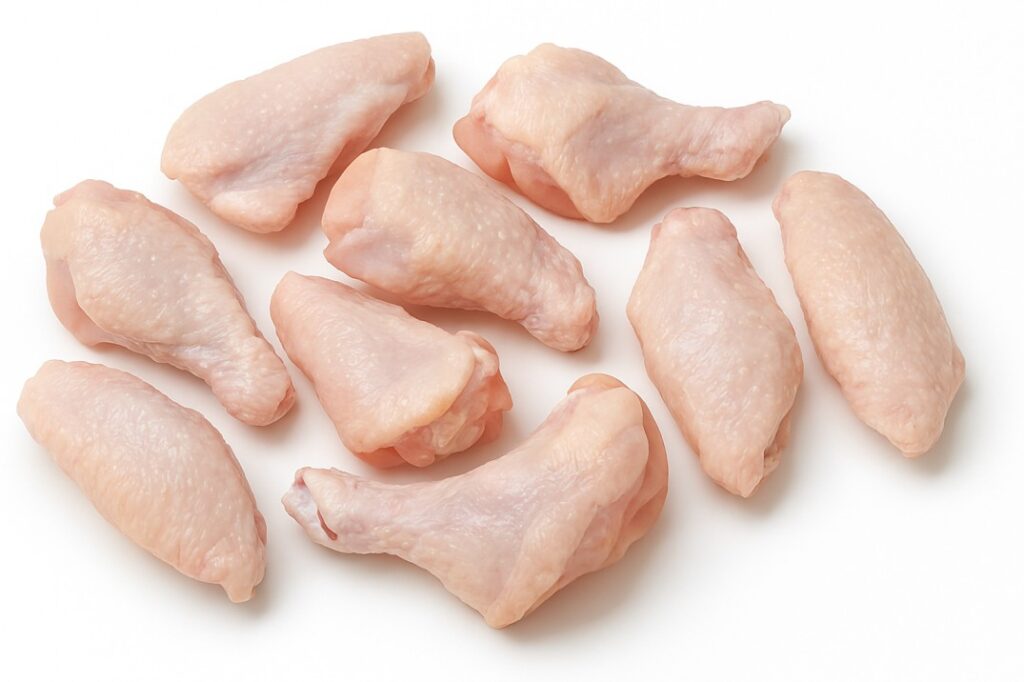
Chicken wings are small sections of a chicken’s wing, typically divided into three parts: the drumette, the wingette (or flat), and the tip. Most people eat just the drumette and flat, as the tip is often discarded. Wings can be fried, baked, grilled, or smoked, and are commonly coated with sauces like buffalo, barbecue, or honey garlic.
While wings are flavorful and high in protein, the nutritional value can change significantly depending on how they are prepared. For instance, fried wings have higher fat and calorie content compared to baked or grilled versions.
Nutritional Value in Chicken Wings
Here’s a general breakdown of the nutritional value in chicken wings per 100 grams of cooked wing (skin-on):
| Nutrient | Amount per 100g |
| Calories | 203 kcal |
| Protein | 30 g |
| Fat | 8 g |
| Carbohydrates | 0 g |
| Fiber | 0 g |
| Sodium | 82 mg |
| Cholesterol | 84 mg |
Chicken wings are primarily a protein-rich food that can provide energy and support muscle repair. However, the fat content can be high in fried or heavily sauced wings, so portion control is important.
Comparing Chicken Wings to Other Chicken Cuts
To better understand the nutritional profile, let’s compare chicken wings with other common chicken cuts.
Chicken Thigh Nutrition
Chicken thighs are darker meat and naturally contain more fat than wings or breast. They are flavorful and juicy, often used in both home-cooked and restaurant meals. A 3.5 oz (100g) cooked chicken thigh provides:
- Calories: 210 kcal
- Protein: 19 g
- Fat: 15 g
You can read more about chicken thigh nutrition to understand why thighs are slightly higher in fat but rich in essential nutrients.
Nutrition Value of Chicken Thighs
Thighs are not only high in protein but also provide iron, zinc, and B vitamins, which support immunity and energy production. Learn more about the nutritional value of chicken thighs.
Chicken Breast Meat Nutrition
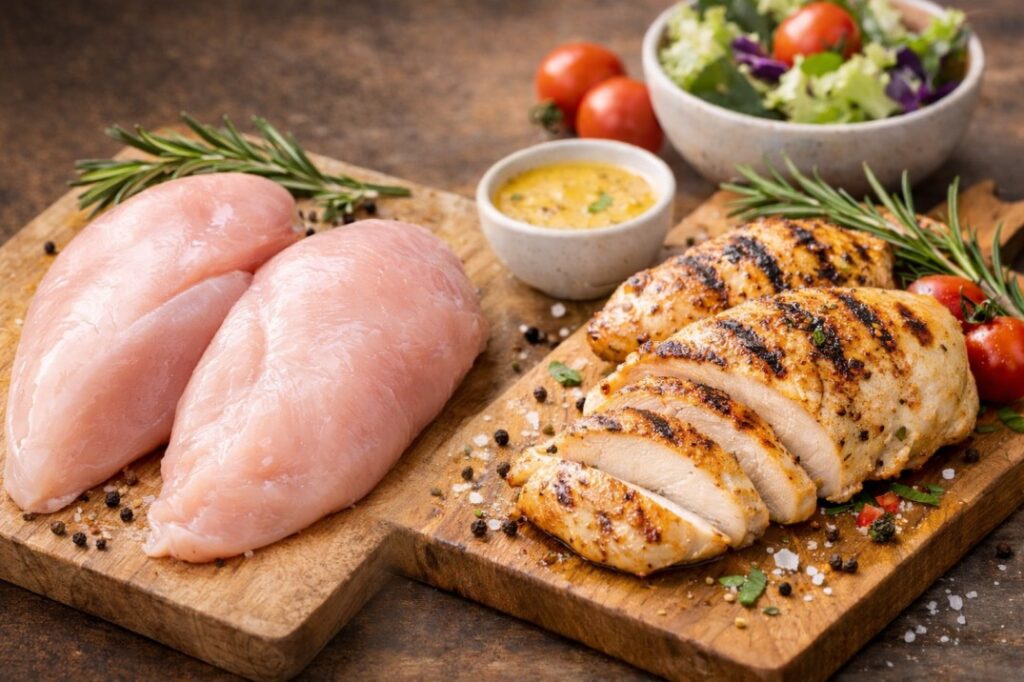
Chicken breast is lean and lower in fat, making it ideal for low-calorie, high-protein diets. A 3.5 oz cooked skinless chicken breast contains:
- Calories: 165 kcal
- Protein: 31 g
- Fat: 3.6 g
Check chicken breast meat nutrition for details and tips on including it in salads, sandwiches, or wraps.
Boneless Skinless Chicken Breast Nutrition
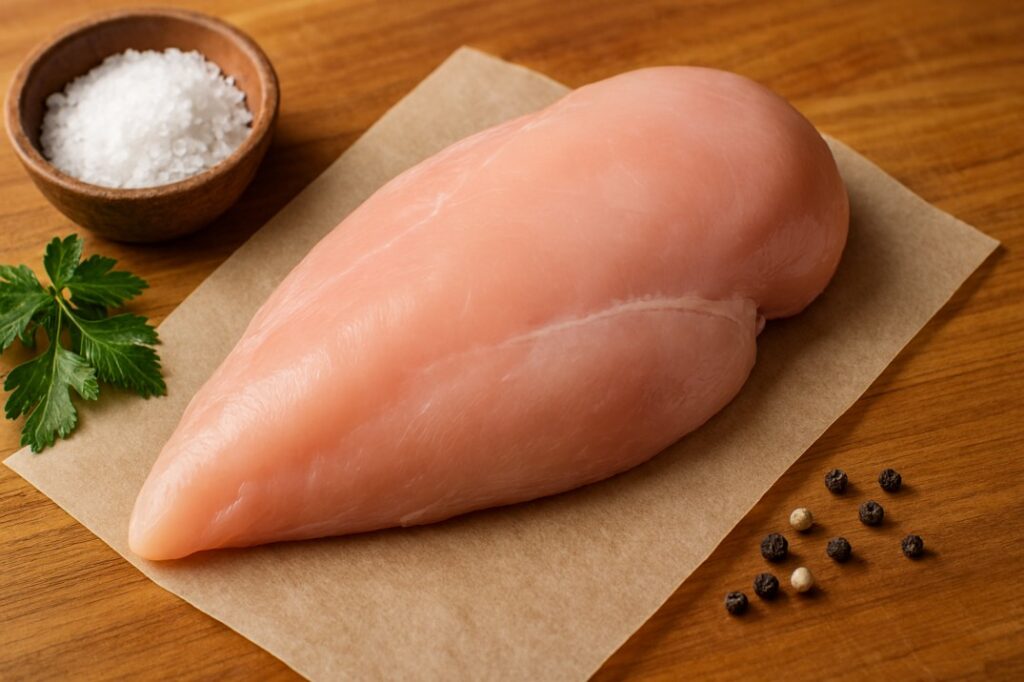
Boneless skinless chicken breast is a staple for fitness enthusiasts and anyone looking to reduce fat intake while maintaining protein. Per 100 grams, it provides 31 grams of protein, just 3.6 grams of fat, and minimal carbohydrates. For more information, see boneless skinless chicken breast nutrition.
Chicken Salad Chick Nutrition
Interestingly, chicken wings and breast meat are sometimes included in restaurant chicken salads. For example, chicken salad chick nutrition shows how protein-rich meals can be paired with vegetables for a balanced diet.
Factors That Affect Chicken Wings’ Nutritional Value
The nutritional content of chicken wings is influenced by several factors:
- Cooking Method – Fried wings have higher calories and fat than baked, grilled, or roasted wings.
- Sauces and Marinades – Buffalo or barbecue sauces can add sugars and sodium, affecting overall nutrition.
- Portion Size – Eating multiple wings can quickly increase calorie intake.
- Skin-On vs. Skinless – Removing the skin reduces fat and calories significantly.
Tips for Healthier Chicken Wings
You don’t have to avoid chicken wings to stay healthy. Try these strategies:
- Bake or grill instead of frying to reduce fat.
- Use light sauces or make homemade sauces with less sugar and sodium.
- Pair with vegetables or a side salad for added fiber.
- Control portion size – 3–4 wings are a reasonable serving.
- Mix with lean cuts like chicken breast for a balanced meal.
Homemade Chicken Wings: Healthier Alternatives
Making chicken wings at home allows you to control ingredients and make them healthier:
- Use skinless wings to reduce fat.
- Marinate in olive oil, lemon, and spices instead of high-sugar sauces.
- Bake at high temperature for a crispy texture without frying.
- Serve with vegetables or whole-grain sides to increase fiber.
By adjusting cooking methods, you can enjoy wings without compromising nutrition.
Common Questions About Chicken Wings’ Nutrition
Q1: Are chicken wings high in protein?
Yes, wings are a good source of protein, providing around 30 grams per 100 grams, which supports muscle repair.
Q2: Are fried wings unhealthy?
Fried wings are higher in calories and fat. Baking or grilling is a healthier alternative.
Q3: How do wings compare to thighs and breasts?
Wings are moderate in fat, thighs are higher in fat, and breast meat is leanest. See chicken thigh nutrition and chicken breast meat nutrition for more details.
Q4: Can wings fit into a balanced diet?
Yes, in moderation and when paired with vegetables or lean protein options like boneless skinless chicken breast.
Conclusion
The nutritional value in chicken wings makes them a protein-rich, satisfying food when consumed in moderation. By understanding portion sizes, cooking methods, and pairing with lean cuts or vegetables, wings can fit into a healthy diet.
Remember, wings can be enjoyed while staying conscious of calories and fat. Comparing them to other chicken cuts like thighs and breasts helps you make smarter dietary choices.
Whether you’re enjoying wings at home or ordering at a restaurant, this guide ensures you know exactly what you’re eating and how to balance your meals effectively.