Disclaimer: This content is for informational and educational purposes only and is not intended as medical advice. Fennel seeds and related wellness topics are discussed for general knowledge.
Fennel seeds have been part of human diets and traditions for thousands of years, valued not only for their distinctive aroma but also for their remarkable versatility. From ancient kitchens to modern households, these small greenish seeds have earned a lasting place in everyday life across cultures and continents.
Scientifically known as Foeniculum vulgare, fennel has been cultivated for generations and admired for its pleasant flavor, gentle fragrance, and role in traditional food practices. Over time, fennel seeds became more than just a culinary spice—they came to represent mindful eating, natural living, and a deeper connection to plant-based ingredients.
Today, fennel seeds remain widely used around the world. They appear in both savory and sweet dishes, are commonly brewed into herbal teas, and are often enjoyed after meals for their refreshing taste. Their mild, slightly sweet, licorice-like flavor makes them easy to include in daily routines, whether sprinkled over food or steeped in warm water.
Beyond the kitchen, fennel seeds have also gained attention among home gardeners. The fennel plant is known for its hardy nature, attractive appearance, and relatively easy growing process, making it a popular choice for herb gardens.
This ultimate guide takes a closer look at fennel seeds from every angle. You’ll explore their rich history, discover how they are used today, understand their role in balanced wellness habits, and learn how fennel plants are grown and cared for. Whether you’re interested in cooking, gardening, or simply expanding your knowledge of natural ingredients, fennel seeds offer a fascinating story worth exploring.
Table of Contents
Botanical Background of the Fennel Plant
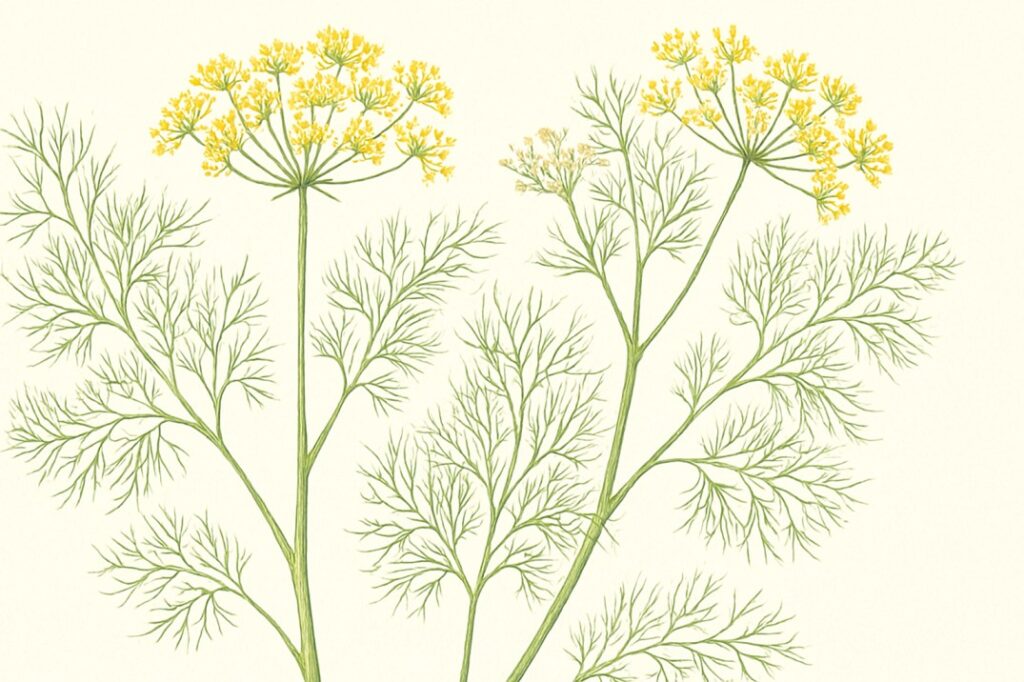
The fennel plant is known for its delicate appearance but strong aroma. It has hollow stems, soft leaves that resemble dill, and umbrella-shaped flower heads. Once the plant reaches maturity, these flowers dry out and produce small, oval-shaped seeds.
These seeds are what most people recognize as fennel seeds. They’re harvested after the plant finishes flowering and are then dried to preserve their flavor and fragrance. (source)
How Fennel Seeds Are Formed
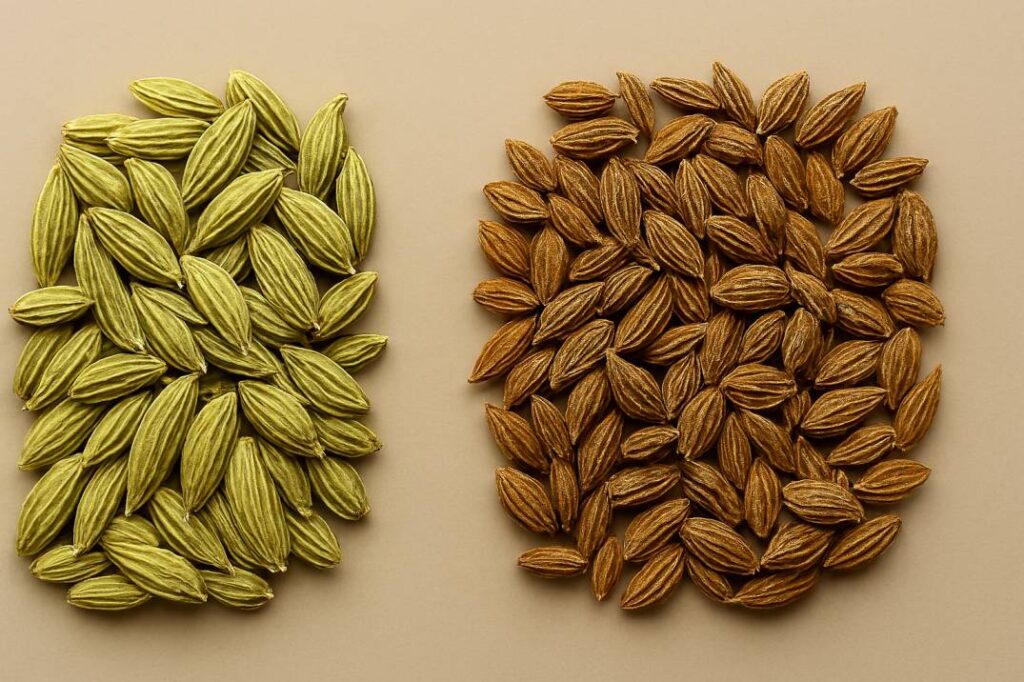
Fennel seeds form naturally as part of the plant’s life cycle. After flowering, each tiny bloom develops a seed that hardens as it dries. These seeds start out green and become more pale or yellowish as they mature.
Farmers typically wait until the seeds are fully developed before harvesting them, since mature seeds carry the strongest aroma and taste. Once dried, they can be stored for long periods without losing their quality.
Difference Between Fennel Bulb, Leaves, and Seeds
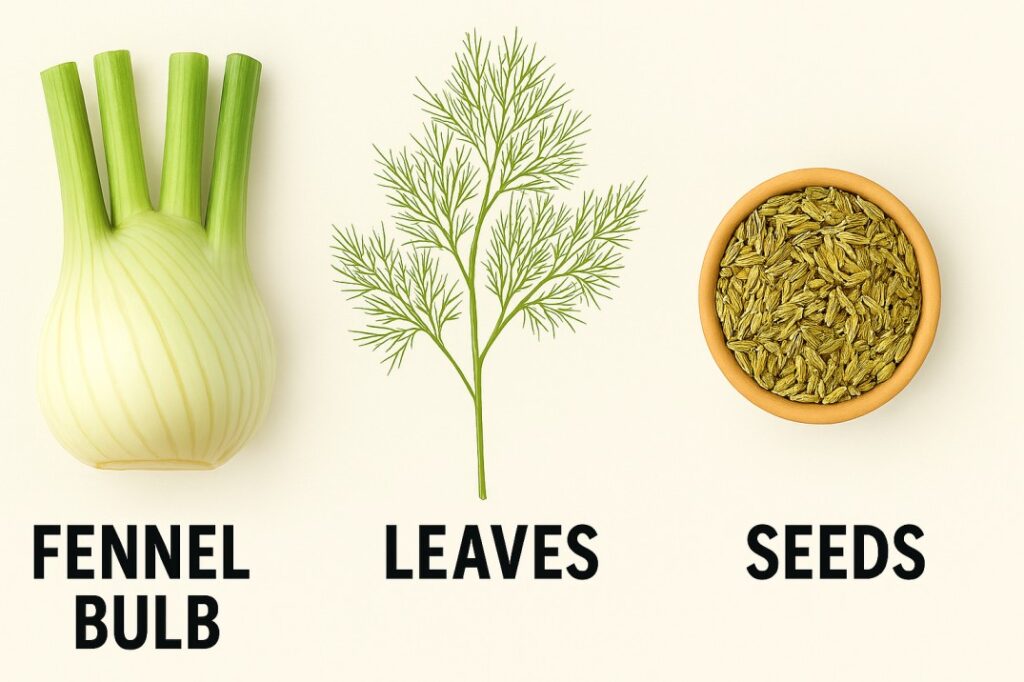
One thing that often causes confusion is that fennel has several edible parts, and each one is used differently. The fennel bulb grows at the base of the plant and is commonly used as a vegetable. It has a crisp texture and a mild, slightly sweet flavor, similar to licorice.
The leaves, sometimes called fennel fronds, are soft and feathery and are often used like herbs to garnish dishes or add a light aroma.
Fennel seeds, on the other hand, are much more concentrated in flavor. While the bulb and leaves are fresh and subtle, the seeds are dried and aromatic, making them ideal for spices, teas, and seasoning blends.
Each part of the plant offers something unique, which is why fennel is so widely used in cooking across different cultures.
Flavor Profile and Aroma Explained
Fennel seeds are known for their warm, slightly sweet taste with a hint of licorice. When chewed, they release a refreshing aroma that feels cooling and clean. Their flavor isn’t overpowering, which makes them easy to pair with both sweet and savory dishes. Lightly toasting the seeds brings out deeper notes and adds a nutty edge, while raw seeds have a brighter, fresher taste.
The aroma of fennel seeds comes from natural oils stored inside the seed. These oils are what give fennel its signature scent and long-lasting freshness.
This is also why freshly crushed fennel seeds smell much stronger than ones that have been sitting in the ground for a long time.
Common Names Across Cultures
Fennel seeds are known by different names around the world, which reflects how widely they’re used. In India, they’re called saunf and are commonly served after meals.
In Arabic-speaking regions, they’re known as shamar.
In parts of Europe, they’re simply referred to as fennel or sweet fennel seeds. Despite the different names, the seeds themselves remain the same, valued for their flavor, aroma, and versatility in everyday use.
History and Traditional Use of Fennel Seeds
Fennel seeds have been part of human life for far longer than written recipes or modern nutrition guides. Long before they were measured, packaged, or labeled, they were valued for their aroma, flavor, and practical usefulness. What makes fennel seeds especially interesting is how naturally they became part of daily routines across very different cultures — not as a luxury, but as a familiar household staple. (source)
Ancient Use in Mediterranean Civilizations
Fennel has deep roots in ancient Mediterranean history, particularly in Greek and Roman societies. In ancient Greece, fennel was associated with strength and endurance.
The Greek word for fennel, marathron, is believed to be connected to the town of Marathon, where fennel plants grew abundantly.
Some historical accounts suggest that fennel stalks were even used symbolically to represent victory and vitality.
The Romans took fennel’s usefulness a step further. Roman households used fennel seeds not only in cooking but also as a way to keep food flavorful during long storage periods. Since refrigeration didn’t exist, spices that could enhance aroma and mask spoilage were highly valued.
Fennel seeds became part of preserved meat blends and bread recipes, helping improve taste over time. Roman soldiers are believed to have carried fennel seeds during long campaigns, chewing them between meals as a way to manage hunger and maintain a sense of freshness.
Role in Indian, Middle Eastern, and Chinese Traditions
- In India, fennel seeds — known as saunf — became deeply woven into everyday life. Ancient Ayurvedic texts reference fennel not as a cure, but as a balancing ingredient. Households traditionally kept fennel seeds in small containers, often alongside other spices, to be used after meals. Over time, this practice turned into a cultural habit, which is why fennel seeds are still commonly offered in restaurants today.
- In Middle Eastern cultures, fennel seeds were used both in cooking and in household remedies passed down orally. They were often infused into warm drinks or added to slow-cooked meals, where their mild sweetness complemented heavier spices. In desert regions, fennel seeds were also appreciated for their refreshing aroma, especially in hot climates where strong scents could feel overwhelming.
- Chinese traditions valued fennel seeds for their warming qualities and aromatic nature. They were included in spice blends and teas, particularly during colder seasons. Rather than focusing on isolated benefits, Chinese food traditions emphasized balance, and fennel seeds fit naturally into that philosophy by adding flavor without overpowering other ingredients.

Historical Use in Food Preservation and Digestion
One of the lesser-known historical uses of fennel seeds was their role in food preservation. Before modern preservatives, spices like fennel were added to foods to help slow spoilage and improve shelf life through their aromatic oils. While they weren’t preservatives in the modern sense, their strong scent helped reduce unpleasant odors as food aged.
Fennel seeds also became linked to digestion simply because of how people observed their effects after meals. Ancient cultures relied on experience rather than scientific explanation. When people noticed that chewing fennel seeds after eating made them feel lighter and more comfortable, the habit stuck.
Over generations, this turned into a tradition rather than a rule, passed down through families rather than written instructions.
Natural Compounds Found in Fennel Seeds
Fennel seeds may look simple, but inside them is a carefully layered mix of natural compounds that give them their unmistakable scent, texture, and culinary personality. These compounds aren’t added or enhanced — they develop naturally as the fennel plant matures, storing flavor and structure inside each seed.
Anethole and Its Role in Aroma
Anethole is the compound most responsible for the familiar sweet, slightly licorice-like aroma of fennel seeds. What’s interesting is how stable this compound is. Unlike many plant aromas that fade quickly, anethole holds its scent even after the seeds are dried and stored for long periods.
Another lesser-known detail is that anethole becomes more noticeable when fennel seeds are lightly crushed or warmed. That’s why chefs often toast or gently grind them — not to change the flavor, but to release what’s already locked inside. This natural “aroma activation” is one reason fennel seeds have been favored in traditional kitchens for centuries.
Volatile Oils and Their Characteristics
Fennel seeds contain volatile oils, which are natural plant oils that evaporate easily and carry fragrance. These oils are stored in tiny pockets within the seed structure, protected by a hard outer shell. This design helps the oils stay intact until the seed is broken, chewed, or heated.
What makes fennel seeds stand out is the balance of these oils. They aren’t sharp or overpowering like some spice oils. Instead, they’re soft, slightly sweet, and warming, making fennel seeds versatile in both savory and sweet dishes. This gentle profile is why fennel seeds blend easily with other spices rather than competing with them.
Fiber Content Explained
Fennel seeds contain natural dietary fiber, much of which comes from the seed’s outer layers. This fiber isn’t refined or altered — it remains part of the seed even after drying. Because the seeds are small and dense, the fiber is compact, meaning you don’t need large amounts to notice its presence in food.
An often-overlooked point is that fennel seed fiber also affects texture. When used whole, the seeds add a subtle crunch; when ground, they contribute body to spice blends. This dual role — nutritional and structural — is part of what makes fennel seeds useful beyond just flavoring.
Antioxidant Presence (General Overview)
Like many plant seeds, fennel seeds naturally contain antioxidant compounds that help protect the plant itself from environmental stress while growing. These compounds remain present after harvesting and drying, contributing to the seed’s long shelf life.
What’s notable is that fennel seeds don’t rely on one dominant antioxidant. Instead, they contain a mix of naturally occurring plant compounds that work together. This diversity is one reason fennel seeds maintain their color, aroma, and flavor over time without artificial preservatives.
Rather than acting as a “super ingredient,” fennel seeds quietly support overall food quality — helping dishes stay fresh-tasting while offering naturally occurring plant compounds in a gentle, everyday way.
Source: National library of medicine
Why Fennel Seeds Are Commonly Used After Meals
In many cultures, the habit of chewing fennel seeds after meals isn’t random or trendy — it’s deeply practical. Long before modern mouth fresheners or packaged desserts existed, people relied on natural ingredients to signal the end of a meal and help the senses reset.
Fennel seeds became a favorite for this role because they engage taste, smell, and texture all at once.
Cultural Habit Explained
In parts of South Asia, the Middle East, and Mediterranean regions, offering fennel seeds after a meal became a symbol of hospitality. It wasn’t just about food — it was about transition. Chewing fennel seeds marked the shift from eating to conversation, relaxation, or tea.
What’s less talked about is how this habit fit naturally into social rhythms. Meals were often long and shared, and fennel seeds provided a light, refreshing finish without adding heaviness. Over time, this simple practice became woven into daily routines, passed down not as advice, but as custom.
How Chewing Seeds Affects Saliva Production
Chewing fennel seeds naturally stimulates saliva because of their texture and aromatic oils. The slight crunch activates the jaw, while the gentle sweetness encourages the mouth to respond. This increased saliva helps wash away lingering food particles and balances the mouth’s moisture level after eating.
An interesting detail is that fennel seeds don’t overwhelm the palate. Unlike strong mints or gums, they prompt a gradual response, allowing the mouth to feel refreshed rather than shocked by intense flavor.
Fresh Breath Effect
Fennel seeds are often associated with fresher breath, and the reason goes beyond scent alone. Their aromatic compounds release slowly as you chew, creating a clean, mildly sweet aroma that lingers without feeling artificial.
Another overlooked factor is timing. Using fennel seeds right after meals helps neutralize mixed food smells before they settle. This makes them especially popular after meals rich in spices, onions, or garlic — not to mask odors, but to gently replace them with something lighter.
Sensory Satisfaction After Eating
Beyond function, fennel seeds offer sensory closure. After a full meal, people naturally crave something that signals completion — not dessert-heavy, not savory, just satisfying. Fennel seeds fill that gap perfectly.
The subtle sweetness, faint warmth, and crisp texture give the senses something to focus on without overeating. It’s a small ritual that tells the brain the meal is done, creating a feeling of balance rather than excess.
That’s why this habit has lasted for generations. It’s simple, intentional, and quietly effective — proof that sometimes the smallest traditions make the biggest difference in how we experience food.
Why They’re Often Paired With Warm Water or Tea
Warm liquids and fennel seeds have been paired together for centuries, and the reason is simple: warmth helps carry aroma and flavor more effectively. When fennel seeds are taken with warm water or tea, their natural oils disperse more evenly, creating a gentler sensory experience.
Fennel Seeds and Gut Awareness
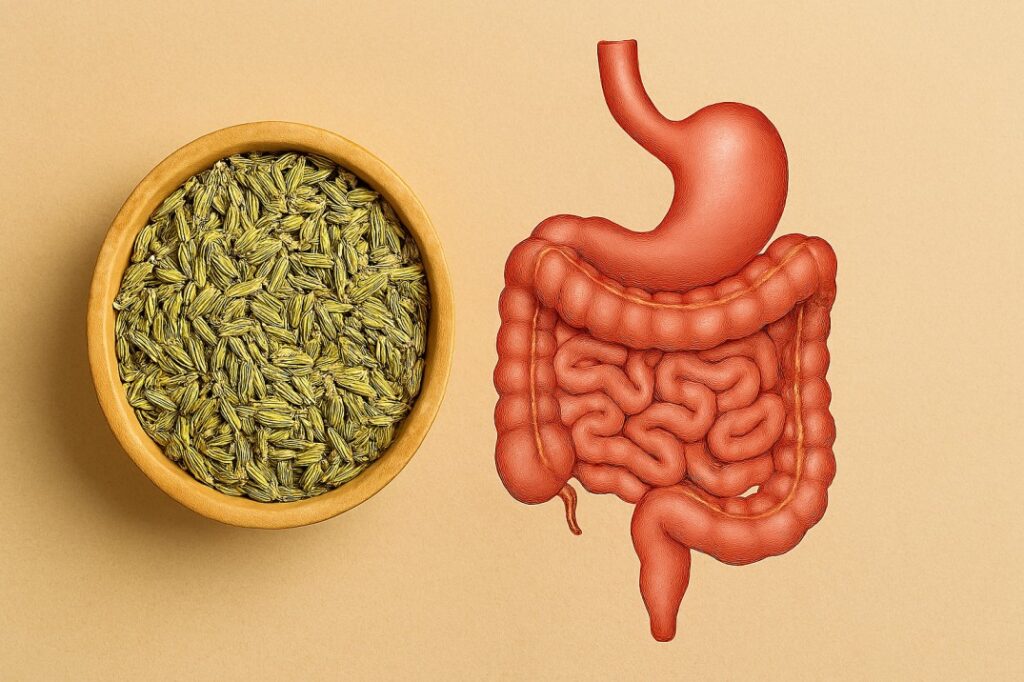
Gut awareness is less about fixing problems and more about understanding how the body responds to what we eat. Long before the term “gut health” became popular, people paid attention to subtle signals — comfort, tension, energy, and timing. Fennel seeds naturally fit into this older way of listening to the body rather than pushing it.
Relationship Between Gut Comfort and Overall Well-Being
When digestion feels smooth, the entire day tends to flow better. People often underestimate how much mental clarity and emotional steadiness are tied to physical comfort after meals. A calm gut doesn’t demand attention, which frees the mind to focus elsewhere.
Fennel seeds contribute to this sense of ease by encouraging a feeling of completion after eating. Their mild sweetness and lingering aroma act almost like a “closing note” to a meal, signaling to the body that it’s time to transition from eating to resting or activity. This simple sensory cue can influence how balanced someone feels afterward — not through force, but through familiarity.
Fennel Seeds and Hydration Balance
Hydration isn’t only about how much water you drink — it’s also about how the body perceives balance and comfort.
Fennel seeds have long played a role in this process, especially in regions where heat, dryness, and intense sun are part of everyday life. Their use goes far beyond flavor, touching on how people traditionally stayed comfortable in demanding climates.
Traditional Drinks Using Fennel Seeds
Across South Asia, the Middle East, and parts of Southern Europe, fennel seeds have been gently steeped in water to create light, refreshing drinks. These aren’t heavy teas or strong infusions.
Instead, they’re subtle, often prepared by soaking crushed fennel seeds overnight or briefly simmering them and allowing the water to cool naturally.
What’s interesting is how these drinks are consumed. They’re typically sipped slowly, not gulped. This pacing encourages mindful hydration, helping the body absorb fluid steadily rather than all at once.
In many households, fennel-infused water is served at room temperature, not iced — a choice that reflects centuries of observation rather than modern trends.
Some cultures also combine fennel with ingredients like coriander seeds or a touch of lemon peel, creating layered flavors that remain light and non-overstimulating. These combinations weren’t about indulgence; they were about creating water that people actually wanted to drink throughout the day.
Cooling Sensation Explained
Fennel seeds are often described as “cooling,” but this doesn’t mean they physically lower body temperature. Instead, the sensation comes from how their aromatic compounds interact with the senses.
When consumed, fennel releases gentle, sweet notes that signal freshness to the brain. This sensory cue creates a feeling of relief, especially after heavy meals or during warm weather. The mouth feels hydrated and calm, which can reduce the urge to seek extremely cold drinks that sometimes cause discomfort.
Another subtle factor is saliva flow. Chewing fennel or sipping fennel-infused water encourages moisture in the mouth, easing dryness — a common complaint in hot climates. This sensory hydration can feel just as satisfying as physical hydration, especially when temperatures rise.
Why They’re Used in Warm Climates
In hot regions, the goal has never been to overwhelm the body, but to keep it steady. Fennel seeds fit this philosophy perfectly. They’re light, aromatic, and don’t create heaviness or internal warmth after consumption.
Unlike sugary drinks or strong stimulants, fennel-based preparations don’t spike the senses. They help people stay comfortable without increasing thirst later on. This is especially useful in places where water access was historically limited, and smart hydration mattered.
Another often-overlooked reason is storage. Fennel seeds store well without refrigeration, making them practical for long summers and travel. A small handful could flavor multiple servings of water, offering refreshment without reliance on perishable ingredients.
Together, these qualities explain why fennel seeds became a quiet hydration companion in warm climates — not as a trend, but as a thoughtful, lived solution passed down through generations.
Fennel Seeds and Women and Men Wellness (Carefully Worded)
Fennel seeds have long been part of traditional diets and are often appreciated for their gentle, calming nature. Many women include fennel seeds in teas or meals as a simple way to support everyday comfort and balance. Their natural aroma and mild sweetness make them easy to enjoy, especially after meals. When used as part of a balanced lifestyle, fennel seeds can complement healthy eating habits and encourage mindful self-care without the need for complicated routines.
For men, fennel seeds are commonly valued as a flavorful, plant-based addition to daily meals. They are often used to freshen the breath, add taste to foods, or enjoyed as a warm tea for relaxation. Including fennel seeds in regular cooking can support overall wellness by encouraging better food choices and digestive awareness. Simple, natural ingredients like fennel seeds can be an easy way for men to stay connected to healthy habits as part of an active and balanced lifestyle.
Fennel Seeds and Skin Appearance (Indirect Benefits)
When it comes to skin, most people immediately think about creams, serums, or topical routines. But traditional practices often highlight a less obvious connection: what happens inside the body can subtly influence how the skin looks on the outside.
Fennel seeds have played a quiet role in these routines for centuries, not as a magic fix, but as a gentle, everyday support.
Digestion and Skin Connection
The link between digestion and skin appearance has long been observed in cultural traditions. When meals are processed comfortably and efficiently, there’s less tendency for discomfort, heaviness, or digestive stress. Fennel seeds, chewed after meals or infused in warm beverages, support this smooth rhythm.
The result isn’t a “skin cure” — it’s a softer, more balanced internal environment. When digestion flows smoothly, the body’s natural processes for cell turnover, hydration balance, and nutrient absorption work without extra strain. This can indirectly influence how fresh or vibrant the skin feels, giving it that subtle “liveliness” that doesn’t come from creams alone.
Hydration and Detox Pathways (Non-Medical)
Traditional diets often paired fennel seeds with water, teas, or light meals. This combination enhances awareness of hydration and encourages the body to process food gently. While the word “detox” is often misused online, in historical practices, it simply referred to helping the body handle everyday meals without stress.
Fennel’s mild flavor and aromatic oils make warm drinks more enjoyable, nudging people to drink more fluids. Increased fluid intake and mindful eating can contribute to skin that feels supple and less fatigued, without making any direct claims about disease prevention or treatment.
Fennel Seeds and Oral Health Awareness
Oral health is more than just brushing and flossing — it’s about small habits that naturally support the mouth’s balance. Fennel seeds have quietly played a role in traditional oral care routines for centuries, particularly in cultures where modern toothpastes weren’t common.
Comparison with Sugar-Based Fresheners
Artificial breath fresheners, chewing gums, or sugar-laden mints often provide a quick burst of flavor, but they don’t contribute to the mouth’s natural balance. The sugar can feed bacteria, leading to long-term plaque accumulation if not brushed away.
Fennel seeds, on the other hand, support oral freshness without adding sugar. Their aromatic compounds linger in the mouth, and the act of chewing encourages saliva flow — a dual effect that often outlasts artificial options.
In essence, fennel seeds aren’t just a flavorful after-meal ritual; they are a culturally embedded, natural practice that promotes awareness of oral care. They teach us that small, mindful habits — like chewing a few seeds after eating — can complement modern dental hygiene, supporting a sense of cleanliness and freshness throughout the day.
How to Use Fennel Seeds Daily (Safe, Practical Ways)
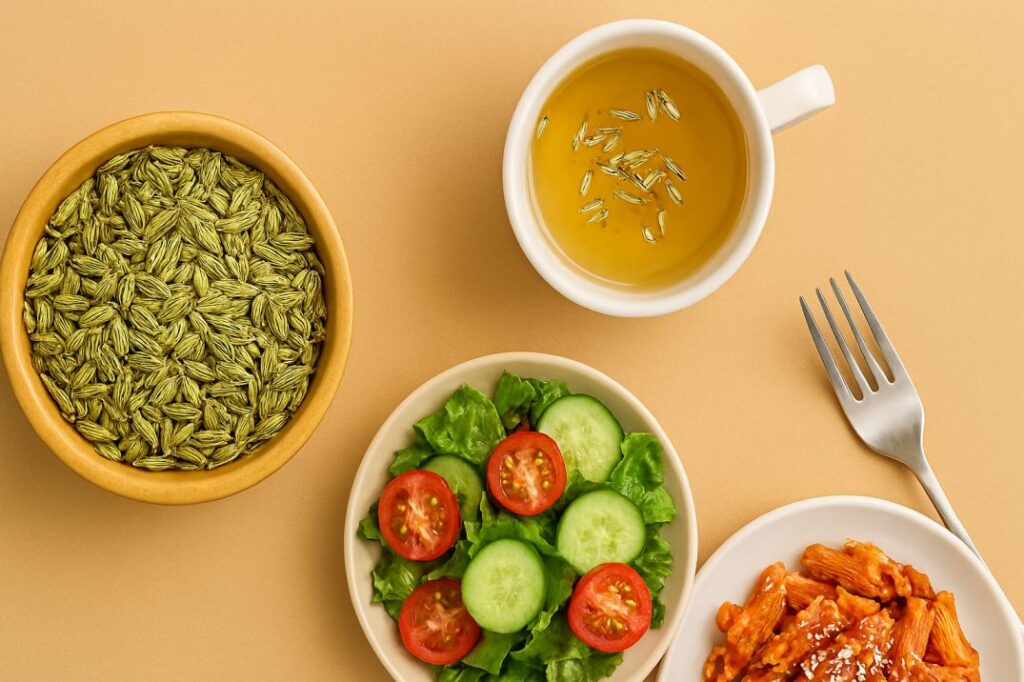
Fennel seeds are one of those versatile little ingredients that can easily fit into daily life. You don’t need complicated routines or fancy tools — just small, mindful habits that bring flavor, aroma, and subtle support for your body and senses.
Chewing Raw Seeds
One of the simplest ways to enjoy fennel seeds is to chew a pinch after meals. This practice has been common in Indian, Middle Eastern, and Mediterranean households for centuries. Beyond the gentle burst of licorice-like flavor, chewing stimulates saliva production, helping naturally cleanse the mouth and support digestion awareness.
Even just a few seeds can provide a sensory pause, encouraging you to slow down after eating. For many, this tiny ritual becomes a moment of calm and focus — a micro-break that benefits both mind and body without adding sugar or artificial flavors.
Making Fennel Seed Tea
Another easy approach is to make fennel seed tea. Lightly crush a teaspoon of seeds and steep them in hot water for 5–10 minutes. The warm liquid extracts the aroma and flavor, creating a soothing beverage.
Drinking fennel tea slowly offers more than taste; it’s a mini-meditation. The process of preparing the tea, noticing the scent, and sipping mindfully helps reduce sensory overload and encourages a natural sense of calm. You can enjoy it in the morning to start the day gently, or after meals as a ritual to reset and refresh.
Using Fennel Seeds in Cooking
Fennel seeds also make a flavorful addition to everyday meals. Sprinkle them into salads, soups, or roasted vegetables, or add them to spice blends for meats and grains. Cooking with fennel seeds releases their oils, which subtly enhance aroma and taste.
When used in food, fennel seeds don’t just add flavor; they create moments of sensory engagement. The smell and taste help you connect with your meal more consciously, supporting mindful eating habits that have been emphasized in traditional diets for centuries.
Dry Roasting vs. Raw
Dry roasting fennel seeds is another option, especially for enhancing aroma. Lightly toast them in a pan over low heat for 1–2 minutes. This process intensifies the flavor and releases fragrant oils. Roasted seeds are great for sprinkling over dishes or chewing as a snack.
Raw seeds, on the other hand, preserve their natural oils and slightly sweeter taste. Choosing between raw or roasted depends on your goals: roasted for flavor impact and aroma, raw for mild sweetness and gentle oral stimulation. Either way, incorporating fennel seeds regularly can become a simple, enjoyable habit that blends nutrition, sensory pleasure, and cultural tradition.
Fennel seeds aren’t just a simple spice—they’re a bridge between cultures, carrying flavor, aroma, and tradition across continents. Their versatility has made them a staple in kitchens worldwide, from bold curries to subtle baked treats.
How to Choose High-Quality Fennel Seeds
Selecting the right fennel seeds isn’t just about picking the first bag you see on the shelf. Quality makes a big difference—not only for flavor but also for aroma, freshness, and overall culinary impact. Here’s how to tell good fennel seeds from the rest.
Color, Aroma, and Size Indicators
High-quality fennel seeds are vibrant green or pale greenish-brown. Seeds that are dull, yellowed, or uneven in color may be older, overexposed to light, or improperly stored.
A strong, sweet, anise-like aroma is your next clue. Fresh seeds release this scent even when uncrushed. If the bag smells faint or “stale,” the seeds have likely lost much of their aromatic oils. A gentle crush test—crushing a few seeds between your fingers—can help: fresh seeds release a lingering, slightly sweet fragrance.
Size matters too. Uniformly plump seeds tend to have higher essential oil content, which translates to better flavor and aroma. Tiny or shriveled seeds may have been harvested too early or stored poorly, making them less effective in cooking and post-meal use.
Whole vs. Powdered
While powdered fennel seeds may seem convenient, they lose aroma and volatile oils quickly once ground. Whole seeds retain their oils longer, giving richer flavor and lasting fragrance.
Practical tip: If you buy powdered fennel, look for recently packaged batches and use them quickly. Whole seeds, on the other hand, can be lightly roasted or crushed just before use, allowing you to customize flavor intensity in recipes or post-meal chews.
Organic vs. Conventional
Organic fennel seeds are grown without synthetic pesticides or chemical fertilizers, which can influence taste and aroma. Beyond the “organic” label, look for certified batches with clear sourcing information. Seeds from regions with a long fennel tradition—like India, Egypt, or Turkey—often have richer natural oils and more consistent quality.
Conventional seeds aren’t inherently bad, but they may contain residues or lower aromatic intensity due to large-scale commercial farming practices. Pairing careful selection with proper storage in airtight, dark containers ensures you maintain peak freshness regardless of type.
Quick Checklist for High-Quality Fennel Seeds
- Bright, consistent greenish color
- Sweet, anise-like aroma when uncrushed
- Plump, uniform size
- Whole seeds preferred for longevity and flavor
- Organic and regionally sourced for best natural oils
Choosing high-quality fennel seeds is more than a shopping decision—it’s about maximizing flavor, aroma, and the subtle sensory benefits that make fennel seeds such a beloved ingredient worldwide.
Proper Storage of Fennel Seeds
Even the best fennel seeds can lose their charm if they’re not stored properly. From flavor to aroma, freshness is everything. Let’s dive into how to make sure your fennel seeds stay at their peak.
Shelf Life
Whole fennel seeds, when stored well, can last up to a year without losing much aroma or flavor. Powdered fennel, however, is far more delicate and starts losing its essential oils within a few months of grinding. This is why whole seeds are generally preferred—they age like fine spices rather than deteriorating quickly.
Fun insight: Fresh seeds contain volatile oils that gradually evaporate over time. That’s why older seeds can taste “flat” or less sweet, even if they look okay. It’s not just flavor—it’s the sensory experience, from aroma to the subtle licorice hint, that diminishes.
Best Storage Containers
Fennel seeds love dark, airtight containers. Glass jars with tight lids are ideal, especially tinted or opaque ones that block sunlight. Avoid plastic bags unless they’re sealed perfectly, as even minor air leaks can accelerate oil loss.
Tip from traditional spice markets: Many seasoned cooks keep a small batch in daily-use containers and store the bulk supply in the pantry or a cool cabinet. This prevents frequent exposure to air while letting you use the freshest seeds at every meal.
Temperature matters too. Keep fennel seeds away from heat sources like stovetops or windows. Even room temperature can be okay, but avoid fluctuating temperatures, which can degrade oils faster.
How Freshness Affects Flavor
Fresh fennel seeds are aromatic, slightly sweet, and provide a gentle, lingering licorice note when chewed. As they age or are improperly stored, those volatile oils weaken. You’ll notice:
- Less aroma when crushed or roasted
- A flatter, almost muted taste in teas or cooking
- Reduced sensory satisfaction when used after meals
In short, freshness directly impacts both taste and the subtle post-meal experience that fennel seeds are cherished for. Even small changes in storage can make the difference between a vibrant, flavorful chew and a bland one.
Quick Storage Checklist
- Store whole seeds, not powdered, for longevity
- Use airtight, dark containers (glass preferred)
- Keep away from heat, sunlight, and humidity
- Portion daily-use amounts separately from bulk
- Check aroma periodically—if it fades, it’s time for a fresh batch
Proper storage is a small step that guarantees you maximize every bit of flavor, aroma, and sensory satisfaction from fennel seeds, whether in cooking, tea, or as a post-meal ritual.
Common Mistakes When Using Fennel Seeds
Fennel seeds are versatile and delightful, but even small errors can impact flavor, aroma, and the subtle benefits they bring to your daily routines. Here’s what to watch out for.
Using Too Much
It might be tempting to sprinkle a generous amount into your tea, dishes, or after-meal chews, thinking “more is better.” But fennel seeds are concentrated in both flavor and aroma. Too much can easily overpower other spices, making a dish or beverage taste cloyingly sweet or licorice-heavy.
A small pinch is often enough to achieve the desired taste and post-meal freshness. In fact, experienced cooks suggest using fennel in measured doses to enjoy its flavor subtly—allowing it to complement rather than dominate the palate.
Over-Roasting
Roasting seeds is common to bring out their aroma, but over-roasting can have the opposite effect. High heat burns the delicate volatile oils, resulting in bitter-tasting seeds with muted aroma.
Pro tip: Lightly dry-roast on medium heat for just 1–2 minutes, stirring constantly. You’ll get that warm, sweet fragrance without compromising the natural licorice undertone. Think of it as coaxing the oils out gently, rather than forcing them with high heat.
Expecting Instant Results
Whether you’re using fennel seeds for culinary delight or post-meal comfort, expecting immediate effects is unrealistic. Fennel’s subtle charm works gradually.
For example, chewing seeds after meals can aid saliva production and enhance digestion comfort, but it’s not a quick “magic fix” for digestive heaviness or bloating. Appreciating the slow, sensory effect is part of the tradition—fennel works as a gentle ritual, not an instant solution.
Mixing With Incompatible Ingredients
Fennel seeds pair wonderfully with many flavors, but some combinations can clash. Mixing them with overly bitter spices, artificial flavorings, or highly processed ingredients may dull their natural aroma.
Traditional culinary wisdom often pairs fennel with:
- Light citrus notes
- Mild spices like cumin or coriander
- Warm, comforting herbs like cardamom or chamomile
Avoid overpowering combinations to ensure you experience both the flavor and the sensory satisfaction that make fennel seeds special.
Quick Takeaway
- Use small quantities for subtle, balanced flavor
- Roast gently to preserve aroma
- Respect the natural timing of its effects
- Pair thoughtfully with compatible ingredients
Understanding these common mistakes allows you to maximize both the culinary and post-meal enjoyment of fennel seeds, keeping their tradition alive in modern kitchens.
Are There Any Side Effects? (Balanced & Safe)
Fennel seeds are gentle, aromatic, and enjoyed worldwide, but like any ingredient, they work best when used thoughtfully. Overuse or ignoring personal sensitivities can sometimes cause minor issues. Let’s explore this carefully.
Importance of Moderation
Even natural ingredients are most effective in moderate amounts. A pinch after meals or a small teaspoon in cooking is usually enough to enjoy flavor, aroma, and sensory satisfaction. Using large amounts regularly can overwhelm the taste, and in rare cases, may irritate sensitive digestive systems.
Think of fennel seeds like a spice orchestra: each note matters, and too much of one instrument can throw off the harmony. Moderation ensures your body enjoys the subtle benefits without unnecessary strain.
Sensitivity Considerations
Some people may notice mild reactions if they’re particularly sensitive to strong flavors or aromatic compounds. For example:
- Heartburn or mild stomach discomfort if seeds are chewed in large quantities
- Slight allergic reactions in extremely rare cases (like skin or oral irritation)
These sensitivities are individual—most people tolerate fennel seeds easily—but paying attention to your body’s response is key.
When to Reduce Intake
There are times when it’s smart to scale back:
- After consuming a very heavy or spicy meal, as concentrated seeds may intensify digestive activity
- If you’re trying fennel for the first time, start small to gauge tolerance
- During periods of heightened stomach sensitivity or mild gastrointestinal upset
A small adjustment is often enough, and most people find their ideal amount through simple trial and error.
Clear Disclaimer Language
It’s important to remember: fennel seeds are a culinary and traditional food ingredient, not a medical treatment. While they support flavor, aroma, and post-meal enjoyment, they should not replace professional advice or treatment for digestive, hormonal, or other health concerns.
Enjoying fennel seeds safely is all about balance, awareness, and mindful use—which allows you to savor every bite and every aroma without worry.
Fennel Seeds for Children and Seniors
Fennel seeds aren’t just for adults—they’ve quietly been part of households across cultures for generations, especially for children and seniors. Their mild flavor and subtle aroma make them a versatile addition, but a few simple considerations help make them safe and enjoyable for all ages.
Traditional Household Use
In many homes, fennel seeds have long been used as a post-meal ritual for kids and elders alike. In India and the Mediterranean, for example, a pinch of seeds is offered after meals not only for flavor but also for a pleasant sensory routine—something calming and familiar. This isn’t about health claims; it’s about creating a comforting, mindful moment at the table.
For children, these seeds are often included in homemade spice mixes or light desserts, gently introducing them to aromatic flavors. Seniors may enjoy them roasted lightly as a snack, making it easy to incorporate into daily life without forcing a strong taste.
Flavor Tolerance
Children have more sensitive taste buds than adults, so the slightly licorice-like flavor of fennel seeds might be surprising at first. To make it approachable:
- Crush or lightly powder the seeds before adding to dishes
- Combine with naturally sweet foods like baked apples or rice puddings
- Use a small pinch as part of a post-meal chew
Seniors, on the other hand, often appreciate fennel seeds for the aroma and gentle taste more than the strong flavor. Light roasting can enhance the aroma without making the taste overwhelming, which is especially useful for older adults with decreased taste sensitivity.
Gentle Incorporation
The key for both children and seniors is gradual introduction and moderation. A small amount sprinkled over food, brewed into a mild tea, or chewed lightly after meals allows the senses to adapt. This helps build a positive routine and encourages mindful eating habits without overdoing it.
It’s also worth noting that even for gentle use, individual tolerance varies. Parents and caregivers can observe how children or seniors respond and adjust accordingly. This ensures the seeds remain a flavorful, pleasant part of everyday life—never forced, never excessive.
Fennel Seeds and Weight Awareness
Fennel seeds often pop up in conversations about diet and weight, but it’s important to separate practical awareness from exaggerated claims. The seeds themselves aren’t a magic solution, but they can play a subtle role in helping you stay mindful about eating and digestion.
Many cultures have used fennel seeds as a post-meal ritual, noticing that chewing a small pinch after eating can create a feeling of completion. This isn’t a “weight loss hack,” but it does encourage awareness of fullness. When your senses are satisfied by a small, flavorful chew, you may naturally avoid extra snacking or overindulgence.
The aromatic compounds and mild crunch of fennel seeds engage your taste buds and chewing reflex, subtly signaling to your brain that a meal has ended. In that sense, they support mindful eating, which is often overlooked in modern diets.
Scientific Interest in Fennel Seeds (General)
Fennel seeds have long been celebrated in kitchens and traditional practices, but in recent years, they’ve also captured the attention of the scientific community. Researchers are intrigued not only by their flavor and aroma but also by their complex chemical and nutritional makeup. Unlike many studies that simply list compounds, modern investigations dive into how these compounds interact, change with cooking, and influence sensory perception.
What Research Focuses On
Scientific studies on fennel seeds often center on volatile oils, aromatic compounds, and fibrous content. One particularly interesting focus is how the seeds’ essential oils release during chewing, brewing, or roasting, which affects both flavor and perceived freshness.
Researchers are also exploring how fennel seeds interact with other herbs and spices—finding that certain combinations can enhance or suppress specific aromatic molecules, subtly changing the overall taste experience. This helps explain why fennel pairs so well with cuisines across cultures, from Indian curries to Mediterranean salads.
Another area gaining attention is stability under heat and storage. Studies show that light roasting can amplify aroma but may alter some delicate compounds, while improper storage reduces flavor and nutritive value. These findings give insight into why traditional practices, like lightly roasting before use, have persisted across generations.
Nutritional Interest Areas
From a nutritional perspective, fennel seeds are fascinating because even small amounts deliver a concentrated profile of fiber, minerals, and antioxidant compounds. Scientists examine bioavailability, or how much of these nutrients the body can actually absorb. Chewing seeds well or grinding them, as done in many traditional practices, seems to release more nutrients and aromatic compounds, demonstrating a practical reason behind age-old rituals like post-meal chewing or fennel tea.
Additionally, research explores interactions with other dietary components. For instance, pairing fennel seeds with warm water or certain spices may enhance the perception of freshness or reduce potential digestive heaviness, a subtle synergy not often highlighted in standard nutrition articles.
Source : Fennel nutritions
How to Build a Simple Fennel Seed Routine
Incorporating fennel seeds into your day doesn’t have to be complicated. With just a few mindful steps, you can enjoy their flavor, aroma, and subtle benefits while keeping the routine enjoyable and realistic. Here’s how to weave fennel seeds naturally into daily life:
Morning Use
Starting your day with fennel seeds can be a gentle sensory boost. A small teaspoon of raw seeds chewed slowly in the morning can awaken the senses and stimulate saliva production.
Some households like to soak seeds overnight and sip the infused water first thing in the morning. This mild ritual not only adds aroma to your routine but also encourages mindful awareness of your morning habits, setting a calm tone for the day.
After Meals
One of the most traditional ways to use fennel seeds is post-meal. Chewing a pinch of seeds after eating helps cleanse the palate, leaving a refreshing taste while naturally supporting gentle digestive comfort. The subtle crunch and aroma can also signal your brain that the meal is complete, which may enhance satiety awareness.
In cultures like Indian and Middle Eastern, this after-meal habit has been a small but meaningful ritual for centuries, combining taste satisfaction with digestive mindfulness.
Evening Tea Habit
Incorporating fennel seeds into evening tea is another simple, calming practice. Steeping seeds in warm water releases their aromatic compounds, creating a naturally fragrant, soothing drink. This tea ritual can serve as a pause between a busy day and bedtime, allowing for a mindful moment that signals relaxation.
Many people find that sipping fennel tea slowly not only engages the senses but also encourages a slower, more intentional pace at the end of the day, which can be calming before sleep.
Tips for Success
- Start small: Even half a teaspoon per use is enough to enjoy flavor and aroma.
- Mindful chewing: Savoring the seeds helps extend their sensory benefits.
- Pair with habits: Link fennel seed use to a daily action like breakfast, lunch, or evening reading to build consistency naturally.
By creating a simple routine, fennel seeds become more than just a spice—they turn into tiny rituals that combine taste, aroma, and mindful daily habits, making them an enjoyable and sustainable part of your lifestyle.
Fennel Seeds for Travelers and Busy Lifestyles
Life on the go can be hectic, with irregular meals, unfamiliar foods, and long hours away from home. Fennel seeds offer a simple, portable way to stay mindful of daily habits, especially when routines are disrupted.
When traveling, meals are often heavier, spicier, or different from your usual diet. Chewing a small pinch of fennel seeds afterward is a traditional practice in many cultures to support gentle digestive comfort. The seeds’ natural aroma and mild flavor create a sensory cue that your body is processing the meal, helping you feel more settled and alert while moving between activities.
Fennel seeds are tiny, lightweight, and easy to carry. Unlike processed breath mints or sugary snacks, a small container of seeds fits into a purse, pocket, or travel bag. This makes them an ideal on-the-go refreshment—you can chew a few seeds between meetings, during a flight, or while sightseeing. Their slow, flavorful release encourages you to pause for a moment, turning a quick chew into a brief mindful break in a busy schedule.
Sustainability and Farming of Fennel Seeds
Fennel seeds aren’t just flavorful—they also have a fascinating journey from seed to kitchen. Understanding how and where fennel grows can give us a deeper appreciation for this humble spice and the sustainability considerations tied to its farming.
Where Fennel Grows
Fennel thrives in Mediterranean climates, where mild winters and warm, sunny summers create ideal conditions for its growth. Countries like Italy, Spain, and Greece have long been traditional hubs, but fennel cultivation has expanded to India, Egypt, and parts of the Middle East. Interestingly, each region imparts subtle differences in flavor and aroma due to variations in soil composition, rainfall, and altitude. This regional diversity is why fennel seeds from southern Italy smell slightly different from those grown in Rajasthan, India—a subtle nuance that connoisseurs notice in culinary applications.
Climate Conditions
Fennel prefers well-drained, sandy-loam soils with moderate moisture. It’s surprisingly resilient to drought once established but doesn’t tolerate waterlogged fields. Optimal temperatures range from 60°F to 75°F (15°C to 24°C). Interestingly, fennel is also photoperiod-sensitive, meaning the length of daylight influences the timing of flowering and seed production. Farmers often stagger planting schedules to optimize seed yield while maintaining consistent quality.
Environmental Footprint
Compared to other spices, fennel is relatively low-impact. It doesn’t require heavy chemical inputs if grown organically, and its perennial nature allows soil retention and minimal erosion. However, conventional large-scale farming sometimes relies on irrigation and synthetic fertilizers, which can increase water usage and soil stress.
Sustainable approaches—like intercropping fennel with legumes, using organic compost, and practicing crop rotation—help maintain soil health and reduce the carbon footprint of fennel cultivation.
Farmers are also experimenting with regenerative methods, such as companion planting with chamomile or coriander to attract pollinators naturally. These practices not only support biodiversity but also create a resilient farming ecosystem, producing fennel seeds that are flavorful and environmentally mindful.
Understanding the sustainability behind fennel seeds reminds us that even small kitchen staples have a story. Choosing sources that prioritize organic or environmentally considerate farming can help make our love for this spice a part of a more conscious and sustainable food system.
Source: Fennel seeds farming
FAQs: Fennel Seeds in Traditional Desserts and Drinks
1. Why do some cultures use fennel seeds in sweets?
In many parts of the world, particularly in South Asia, the Middle East, and parts of Europe, fennel seeds have been incorporated into sweets not just for their flavor but for their aromatic balance. Their naturally sweet, licorice-like aroma softens richer, heavier desserts, creating a layered taste experience. Over centuries, cooks discovered that even a small pinch of fennel could enhance complex flavors like cardamom, saffron, or jaggery without overwhelming the dish.
2. What exactly is “candied fennel,” and how is it different from regular fennel seeds?
Candied fennel refers to fennel seeds that have been lightly roasted and coated with sugar or jaggery. Unlike raw fennel seeds, candied fennel provides a crunchy, subtly sweet bite while retaining its aromatic quality. It is often served at the end of meals in Indian households as a sweet, fragrant palate finisher, giving a satisfying closure after rich or spicy foods.
3. How do you make fennel seed syrup at home without it becoming bitter?
When making fennel seed syrup, the key is gentle activation of the seeds’ natural oils. Lightly toasting the seeds for a minute or two enhances the aroma without burning them, and simmering them in moderate heat with sugar or simple syrup prevents bitterness. Adding citrus peel or a touch of floral water during infusion can help balance flavors, resulting in a smooth, fragrant syrup ideal for beverages like iced teas, lemonade, or milk-based drinks.
4. Can fennel seed syrup add depth to non-traditional drinks?
Absolutely. Beyond traditional recipes, fennel seed syrup can subtly enhance a variety of drinks. It works beautifully in sparkling water with citrus, herbal iced teas, ginger-based mocktails, and even coffee tonics. Its aromatic qualities create complexity without overpowering other flavors, making it a favorite for modern mixologists experimenting with natural ingredients.
5. Do fennel seeds go well with chocolate desserts?
Surprisingly, yes. The licorice-like sweetness of fennel complements the richness of dark chocolate, adding a layer of aromatic intrigue. Candied fennel seeds can be sprinkled over chocolate bark, infused into ganache, or lightly added to chocolate-based desserts. The key is moderation so the fennel enhances the dessert rather than competing with the chocolate.
6. Why do some traditional drinks mix fennel with rose or orange blossom water?
In many Middle Eastern and Mediterranean beverages, fennel is paired with floral waters such as rose or orange blossom because the combination layers aromas in a subtle, harmonious way. Fennel contributes a sweet, fresh note while the floral water adds a fragrant, lingering quality. Together, they create drinks that are aromatic, refreshing, and deeply rooted in cultural culinary traditions.
7. What’s the difference between raw, roasted, and candied fennel in desserts?
Each form of fennel offers a distinct sensory experience. Raw fennel is mild and slightly sweet, ideal for infusions or delicate desserts. Roasted fennel develops a warmer, deeper fragrance, which pairs well with baked goods. Candied fennel, with its sugar coating, provides both sweetness and aroma, often used as a finishing touch or an after-meal sweet. Chefs use these forms depending on the dessert’s texture and flavor profile.
8. Is there a traditional reason fennel is eaten after heavy desserts?
Traditionally, especially in Indian culture, fennel is served after rich meals or desserts to “close the palate.” This practice isn’t about health claims but about sensory satisfaction. The sweet, aromatic flavor of fennel helps transition the taste experience from heavy or intense flavors to a more neutral, pleasant finish, enhancing the overall enjoyment of the meal.
9. Can I use fennel seed syrup in baking?
Yes, fennel seed syrup can be incorporated into baking to add aromatic depth. It can be brushed over cakes for a fragrant finish, stirred into fruit compotes, or mixed into frosting to impart a subtle licorice-like sweetness. This usage elevates desserts with complex aroma layers, giving a nuanced flavor that is more sophisticated than simple sugar.
10. What’s the best way to store candied fennel or fennel syrup?
To maintain freshness, candied fennel should be kept in an airtight container at room temperature, which preserves its crunch and aroma for a couple of months. Fennel syrup, however, is best stored in the refrigerator and used within two to three weeks. Labeling the containers with the preparation date is helpful since fennel’s aromatic oils gradually fade over time, affecting its full sensory impact.
11. Does fennel pair with savory dishes and desserts at the same time?
Yes, fennel’s sweet, aromatic qualities allow it to bridge sweet and savory flavors. It can enhance roasted vegetables, be part of a spice mix in savory breads, or add an aromatic note to desserts and confections. Its versatility allows cooks to experiment and create unique flavor combinations that blend both sweet and savory elements in a harmonious way.
12. Are there modern adaptations of traditional fennel drinks?
Modern culinary enthusiasts and bartenders have adapted traditional fennel drinks in creative ways. Fennel is now combined with citrus, herbs like mint, hibiscus, and even tonic waters to create refreshing beverages. These contemporary versions retain the essence of traditional flavors while offering new experiences for modern palates, often served as iced infusions or sparkling mocktails.
Disclaimer & Responsible Use Statement
Before diving into the world of fennel seeds and their many culinary and traditional uses, it’s important to set a clear understanding for our readers. The information shared here is intended purely for educational and informational purposes. This means we aim to provide insights about fennel seeds—how they’re used in cooking, traditional practices, and cultural habits—without making medical or therapeutic claims. Think of it as a guide to understanding the seed, its flavor, and general lifestyle applications, rather than a prescription or treatment manual.
While fennel seeds have been celebrated in various cultures for centuries, everyone’s body and preferences are different. If you have specific health concerns, dietary restrictions, or are considering significant changes to your nutrition or wellness routine, it’s always wise to consult a qualified healthcare professional. This ensures you get personalized guidance that suits your individual needs.
Responsible use is also key. Even though fennel seeds are natural, moderation matters. Like any ingredient, they’re best enjoyed thoughtfully and as part of a balanced diet. Overuse or reliance on them for supposed quick results can lead to disappointment or unintended effects. By approaching fennel seeds with awareness—paying attention to portion sizes, preparation methods, and personal tolerance—you can enjoy their unique flavor, aroma, and cultural significance safely.
In short, think of fennel seeds as a culinary and cultural companion rather than a remedy. Use this guide to explore, experiment, and appreciate their richness, while always giving precedence to professional advice for health-related matters.