
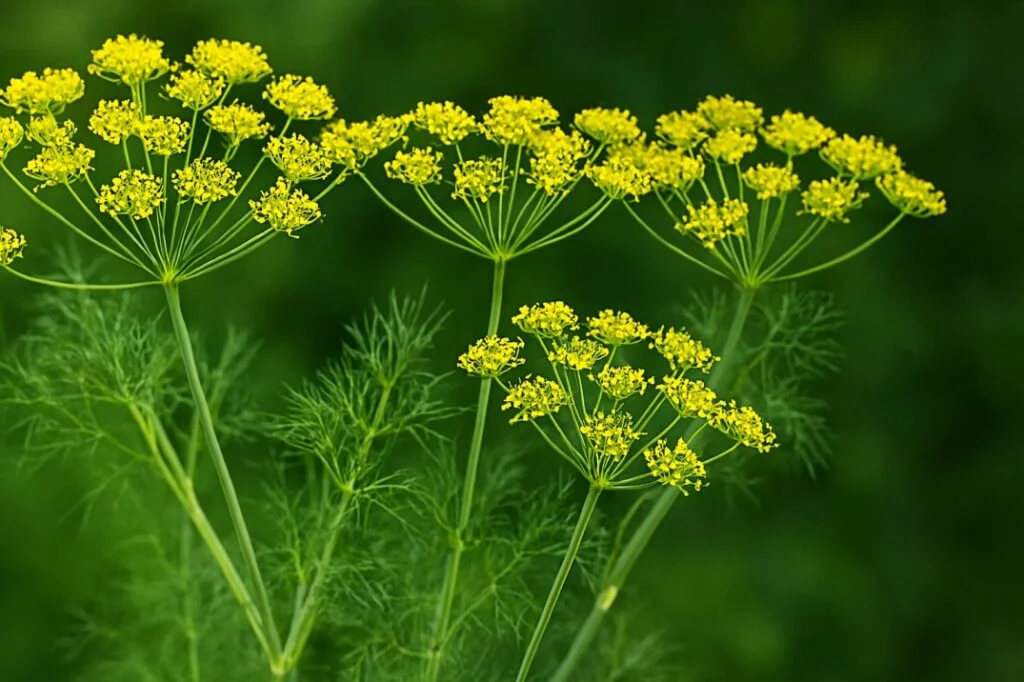
Foeniculum vulgare, commonly called fennel, is a well-known aromatic plant that has been valued for centuries for its culinary versatility and traditional wellness uses. Native to the Mediterranean region but now grown around the world, fennel stands out for its delicate licorice-like flavor, feathery green leaves, yellow flowers, and fragrant seeds. Today, it continues to play an important role in cooking, cultural traditions, and everyday healthy lifestyles.
What is Foeniculum vulgare?
Foeniculum vulgare is a flowering plant belonging to the Apiaceae family, which also includes carrots, celery, and parsley. Unlike many herbs, fennel is a multi-purpose plant—its bulb, leaves, stems, flowers, and seeds are all edible and commonly used. Each part offers a slightly different flavor and texture, making fennel both a vegetable and a spice.
A Brief History of Fennel
Fennel has a long and fascinating history. Ancient Egyptians, Greeks, and Romans prized it for both culinary and cultural reasons. In classical times, fennel was associated with strength, vitality, and clarity of mind. Over time, it spread across Europe, Asia, and eventually the Americas, where it became a staple in many traditional dishes and herbal preparations.
Culinary Uses of Foeniculum vulgare
Fennel is incredibly versatile in the kitchen.
- Fennel bulb is often sliced raw into salads or roasted for a mild, slightly sweet flavor.
- Fennel seeds are used as a spice in breads, sausages, curries, and teas.
- Fennel leaves (fronds) are commonly used as a fresh herb to garnish soups, seafood, and pasta dishes.
Its unique taste pairs well with fish, poultry, vegetables, and citrus-based recipes, making it a favorite among chefs and home cooks alike.
Nutritional Profile
Foeniculum vulgare offers a variety of nutrients that support a balanced diet. It naturally contains dietary fiber, along with vitamins and minerals such as vitamin C, potassium, and magnesium. Fennel also provides plant-based antioxidants, which help protect cells from oxidative stress when consumed as part of a healthy eating pattern.
Traditional and Everyday Wellness Uses
For generations, fennel has been used in traditional wellness practices, particularly in herbal teas made from its seeds. These teas are commonly enjoyed after meals and are appreciated for their soothing, aromatic qualities. While fennel is often associated with digestive comfort in traditional use, it should be enjoyed as a food or beverage rather than a medical treatment.
Fennel Seeds vs. Fennel Bulb
Though they come from the same plant, fennel seeds and fennel bulb serve different purposes. The seeds are concentrated in flavor and mainly used as a spice or tea ingredient, while the bulb is a crisp vegetable enjoyed raw or cooked. Both offer distinct culinary and nutritional benefits.
How to Store and Use Fennel
Fresh fennel bulbs should be stored in the refrigerator and used within a few days for the best flavor and texture. Fennel seeds should be kept in an airtight container away from heat and light to preserve their aroma. Grinding seeds just before use can enhance their flavor in recipes.
Is Foeniculum vulgare Safe to Consume?
Fennel is widely recognized as safe when consumed in normal food amounts. However, as with any herb or plant-based ingredient, moderation is key. Individuals with allergies or specific health concerns should consult a healthcare professional before using fennel in concentrated forms.
Conclusion
Foeniculum vulgare is much more than just an herb—it’s a plant with deep historical roots, culinary appeal, and nutritional value. Whether enjoyed as a crisp vegetable, a fragrant spice, or a soothing tea, fennel offers a natural way to add flavor and variety to everyday meals. Its long-standing presence in kitchens and cultures around the world highlights its enduring appeal and versatility.
Source:
National Center for Biotechnology Information (NCBI) – Foeniculum vulgare overview


